Biography
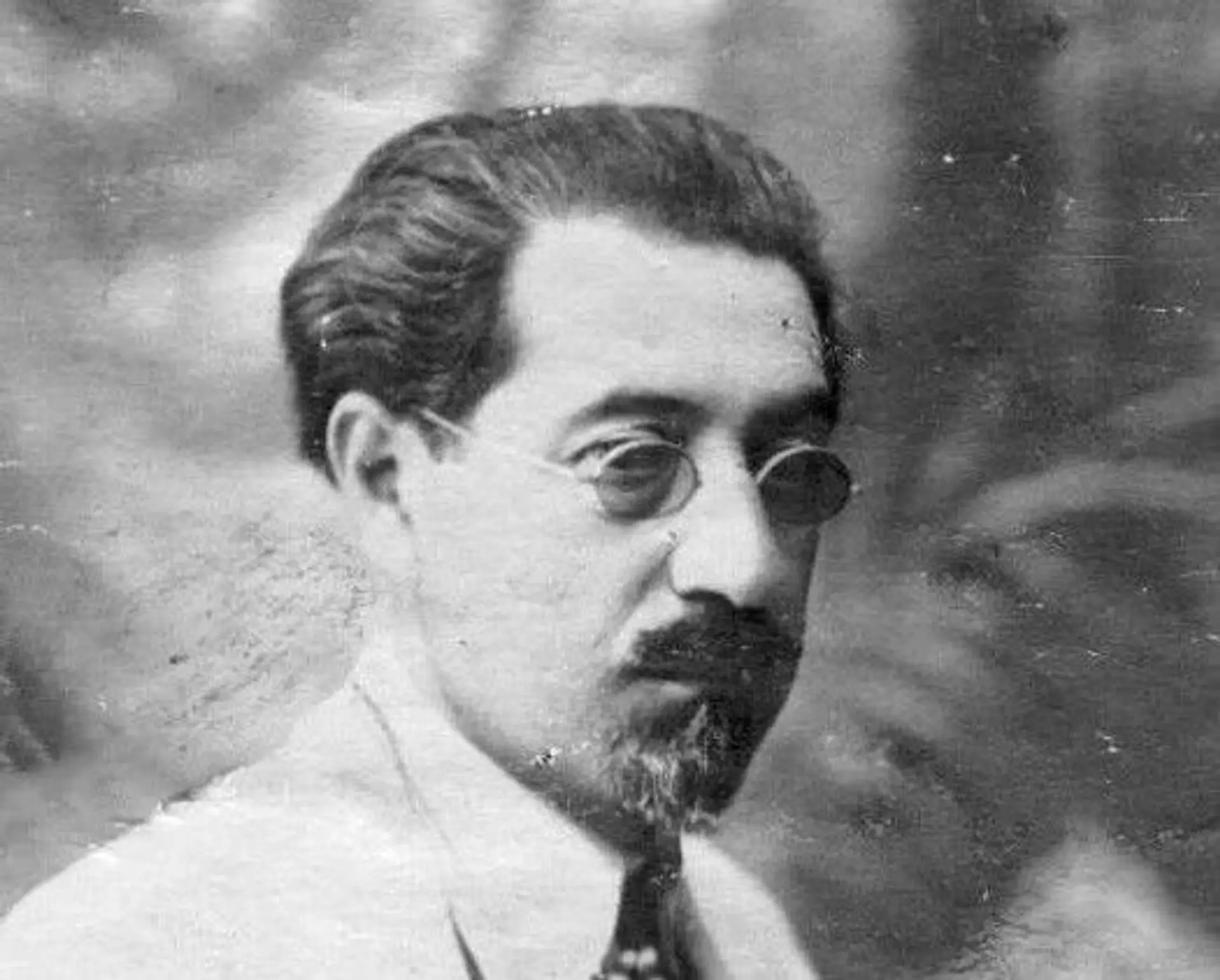
Armen Tigranyan was born in Alexandropol (Gyumri). He started playing the flute from an early age and participate in school brass band concerts. The development of his musical taste was significantly influenced by the mastery of the peculiarities of Shirak music, Armenian folk music. Artists, poets, literary and musical evenings often gathered in their house.
Tigranyan moved to Tbilisi (Georgia) with his family In 1894. In 1902 he graduated from the flute and music theory classes of the Music College (teacher: Nikolai Klenovsky), parallelly taking composition lessons from Makar Ekmalyan. In the same year, Tigranyan returned to Alexandropol, organized school and folk four-voice choirs, and toured in Tbilisi (Georgia), Baku and Kars. His first compositions belong to that period: "Hover took mountains and centuries", «Hovern aran sar u darer», «Akh im champen», «Sev acheren», «Sirt im lrir», «Mnak’ barov» and Armenian Choral arrangements of folk songs.
In 1908, Tigranyan began writing his first opera, Anush (based on Hovhannes Tumanyan's poem "Anush"), which laid the foundation for a new stylistic direction in the Armenian Musical Theater. In the same year, excerpts of the opera were performed in Tbilisi (Georgia). "Anush" was first staged in 1912 in Alexandropol. During the next 30 years, the composer repeatedly referred to "Anush" opera, made some changes, additions, revised the instrumentation.
"Anush" was first staged at the Yerevan Opera and Ballet Theater in 1935, and in 1939 it was performed in Moscow during the Ten-day event dedicated to Armenian Art and Literature. The opera stands out with bright and colorful scenes of folk holidays, rituals, lyrical songs, duets and choirs. The melodies created by the composer have spread, in fact, become popular.
Tigranyan had lived in Tbilisi (Georgia) since 1913, participated in the activities of the Armenian Music Society (1912-21), taught at the Hovnanian School, had concerts. The composer wrote new works. Music for the drama "Layla and Mejnun" (staged in 1918 in Tbilisi, "Eastern Dance" for symphony orchestra etc.
In the 1920s and 1930s, Tigranyan composed a number of songs, cantatas, choirs, piano pieces, including "Dance Song", "Armenian Dance Suite", "Archelian Fantasy", "Shirak Emerald", "Children's Album" ("Evening"). "Sring", "Cradle Song") etc.).
During the Second World War (1941-1945), the composer wrote patriotic songs, "Dance Suite" for the symphony orchestra, and the historical-patriotic opera "David Bek" (according to Raffi). Tigranyan finished the opera in 1949, but the premiere of "David Bek" took place in 1950, after the composer's death, at the Yerevan Opera and Ballet Theater.
Tigranyan wrote music for the theater (Tigran Hakhumyan's "In the Claws of Darkness", Armen Gulakyan in "Dawn", "Gikor", "A Drop of Honey" (both based on Hovhannes Tumanyan's works), "Anahit" (based on Ghazaros Aghayan's fairytale), "Honor" "(based on Alexander Shirvanzade's work)," Samvel "," David Bek "(both according to Raffi), etc.), translated into Armenian the librettos of Giuseppe Verdi's" Rigoletto "and Georges Bizet's " Carmen ".
Streets and music schools were named after Tigranyan in Yerevan, Gyumri, a monument to him was erected in Yerevan Ring Park, and a house-museum operates in Gyumri.