· Classical
Komitas: Choral songs
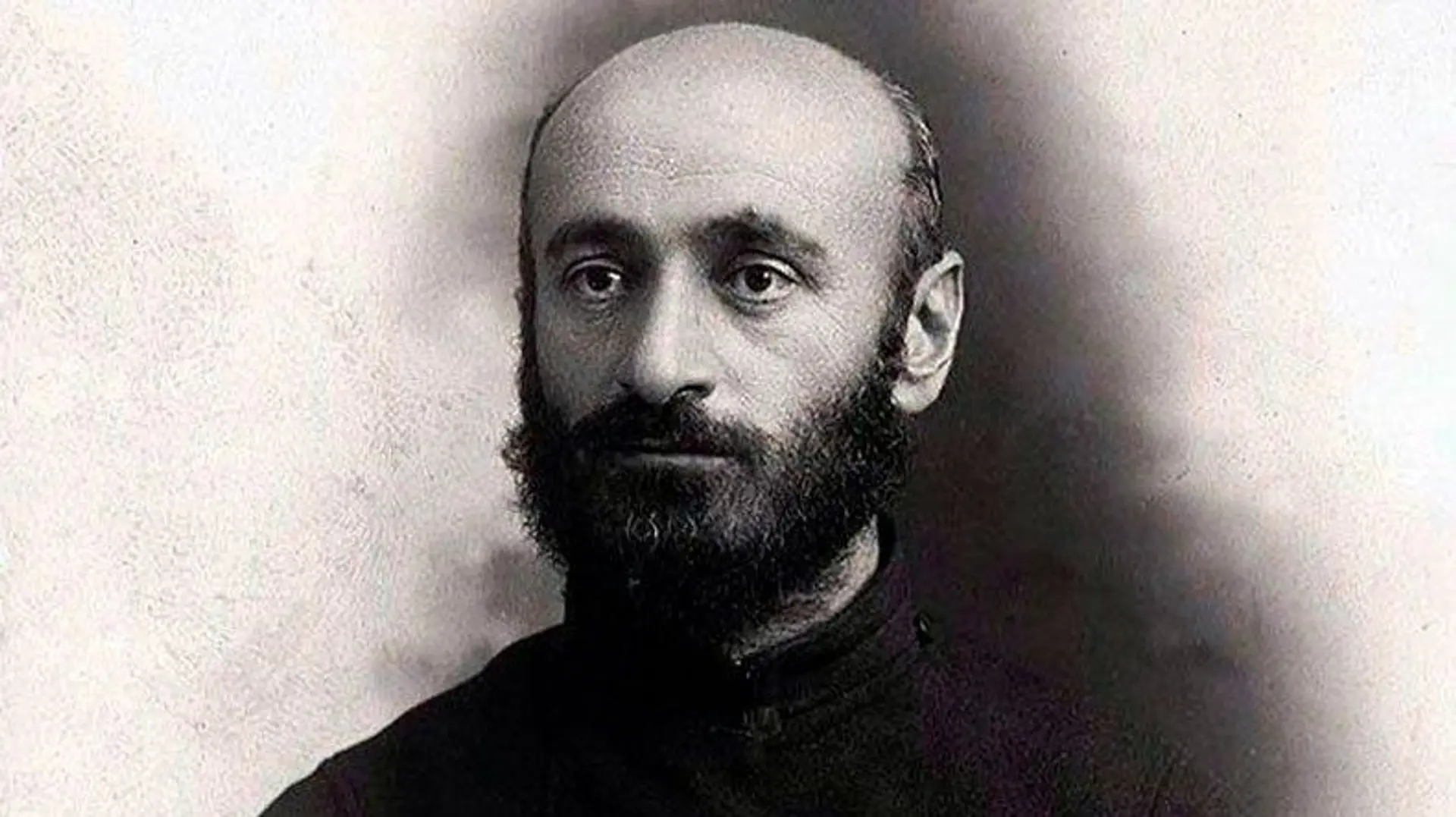
Komitas’s choral works include the arrangements of Armenian sacred and folk songs and original compositions. Sacred songs referring to various church feasts, religious holidays and saints of the Armenian Church calendar are among them, such as The Water Blessing Songs, Maundy Thursday etc. Separate fragments of Patarag (the Armenian Divine Liturgy) are also among his sacred songs: ‹‹Հայր մէր›› (Lord’s Prayer), ‹‹Ամէն: Հայր Սուրբ›› (Amen: Holy Father), etc.
Patarag composed for the male choir is the only large-scale work survived by Komitas. In different periods of his activity, Komitas compiled the Armenian traditional chants of Patarag, which is the most important ceremony of the Armenian Church, for various voicing. Komitas mostly picked up the traditional chants of Patarag as transcribed by N. Tashchian, published in 1874 and in 1878 in Etchmiatsin. Komitas also used his own transcriptions of the chants from Patarag, which had survived in oral tradition. Some arrangements of the chants of Patarag by Komitas survived fragmentarily. To be noted is the Patarag of Nor Jugha (New Julfa) or the Armenians of India, which was first performed in the 1910s. There is also a version of Patarag with the German translation of the literary texts, which was written in Berlin in 1898-99 by yet student Komitas. Komitas often considered his arrangements of Patarag chants for stage performance. Nowadays, Komitas’s last Patarag, written in 1914, appears both in the concert halls and during the church liturgy.
Folk song arrangements by Komitas are written for various voicing. Folk music has different genres in compliance with rustic life and community activity. The choral arrangements of Komitas embrace different genres: work songs, wedding songs which are also presented in the form of cycles, dance songs, and joke songs, ceremonial songs, etc.
The material is provided by Komitas Museum-Institute
Patarag composed for the male choir is the only large-scale work survived by Komitas. In different periods of his activity, Komitas compiled the Armenian traditional chants of Patarag, which is the most important ceremony of the Armenian Church, for various voicing. Komitas mostly picked up the traditional chants of Patarag as transcribed by N. Tashchian, published in 1874 and in 1878 in Etchmiatsin. Komitas also used his own transcriptions of the chants from Patarag, which had survived in oral tradition. Some arrangements of the chants of Patarag by Komitas survived fragmentarily. To be noted is the Patarag of Nor Jugha (New Julfa) or the Armenians of India, which was first performed in the 1910s. There is also a version of Patarag with the German translation of the literary texts, which was written in Berlin in 1898-99 by yet student Komitas. Komitas often considered his arrangements of Patarag chants for stage performance. Nowadays, Komitas’s last Patarag, written in 1914, appears both in the concert halls and during the church liturgy.
Folk song arrangements by Komitas are written for various voicing. Folk music has different genres in compliance with rustic life and community activity. The choral arrangements of Komitas embrace different genres: work songs, wedding songs which are also presented in the form of cycles, dance songs, and joke songs, ceremonial songs, etc.
The material is provided by Komitas Museum-Institute