· Classical
Modernizing Music Education: Armenia Introduces New Curricula for Solfeggio and Music Literature
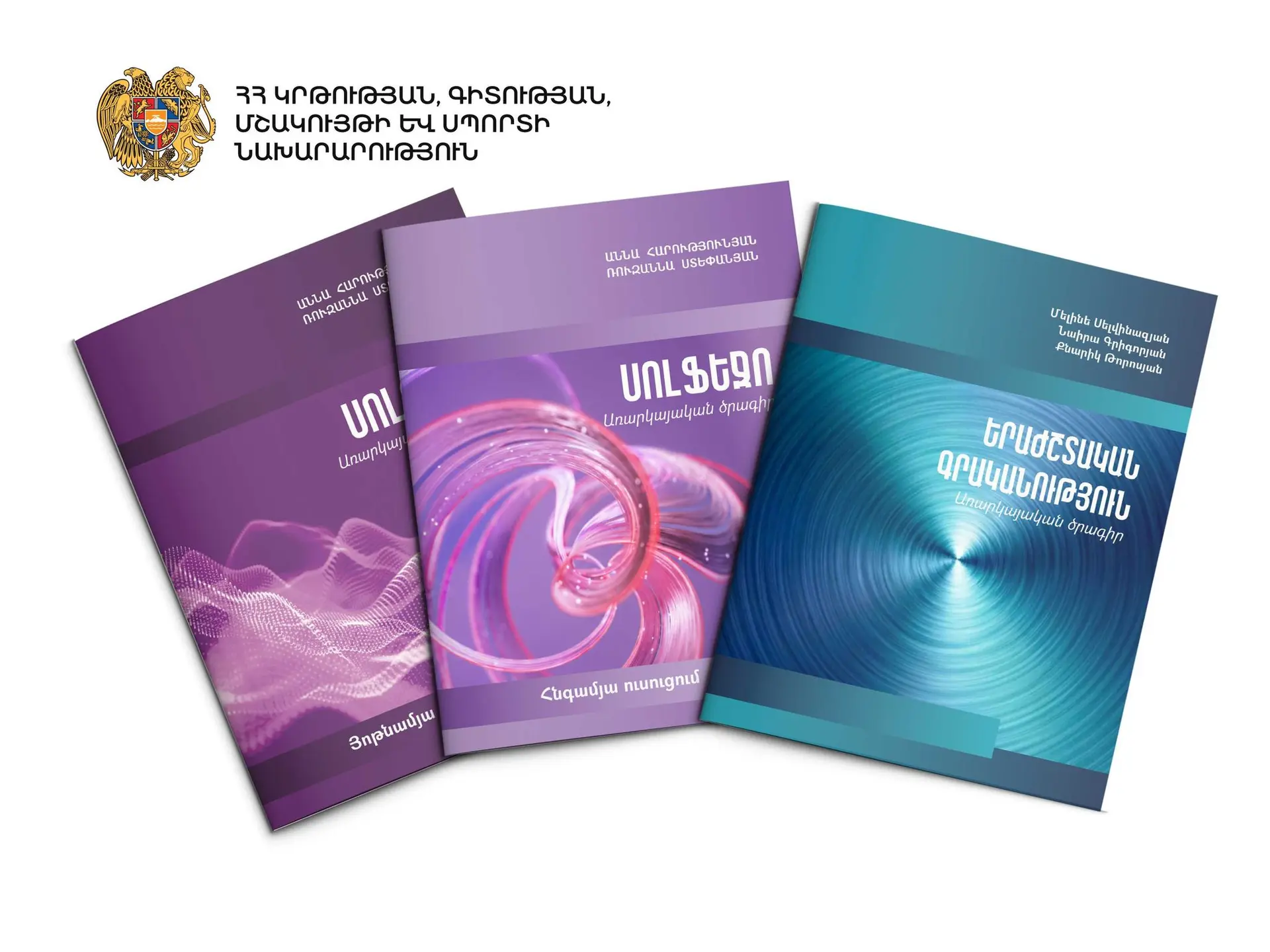
With the support of the RA Ministry of Education, Science, Culture and Sport, new curricula for the subjects “Solfeggio” and “Music Literature” have been published for music and art schools. Developed as part of the “Development and Publication of Methodological Literature for Music and Art Schools” programme, the curricula represent an important step toward modernizing the content of music education and establishing unified, contemporary approaches to teaching in music schools.
Specialists from the Yerevan Komitas State Conservatory and the Yerevan Sayat-Nova Music School participated in developing the curricula, bringing together expertise from higher professional music education and practical experience in music-school teaching.
The authors of the five-year and seven-year “Solfeggio” curricula are Ruzanna Stepanyan, Vice-Rector of the Komitas State Conservatory and Head of its Department of Music Theory, and Anna Harutyunyan, a music theory teacher at the Sayat-Nova Music School. The curriculum focuses on developing students’ musical hearing, sense of rhythm, intonation accuracy, and musical thinking.
The “Music Literature” curriculum was developed by specialists from the Sayat-Nova Music School: Meline Selvinazyan, Naira Grigoryan, and Qnarik Torosyan. It provides a systematic study of music history, styles and genres, as well as Armenia’s musical heritage.
The development of the curricula is also important for the organization of the national Paytporik (Woodpecker) Solfeggio Olympiad, held by the Yerevan Sayat-Nova Music School with the support of the RA Ministry of Education, Science, Culture and Sport. The new curriculum makes it possible to align the Olympiad’s professional content more closely with the educational process implemented in music schools, creating a unified educational and professional environment.
The published curricula will enable teachers to organize the learning process in a more structured and systematic manner, while preserving creative and methodological flexibility. This will contribute to the continuous improvement of the quality of music education and the development of students’ professional skills.