Alexander Arutiunian
Composer
- Composer
Biography
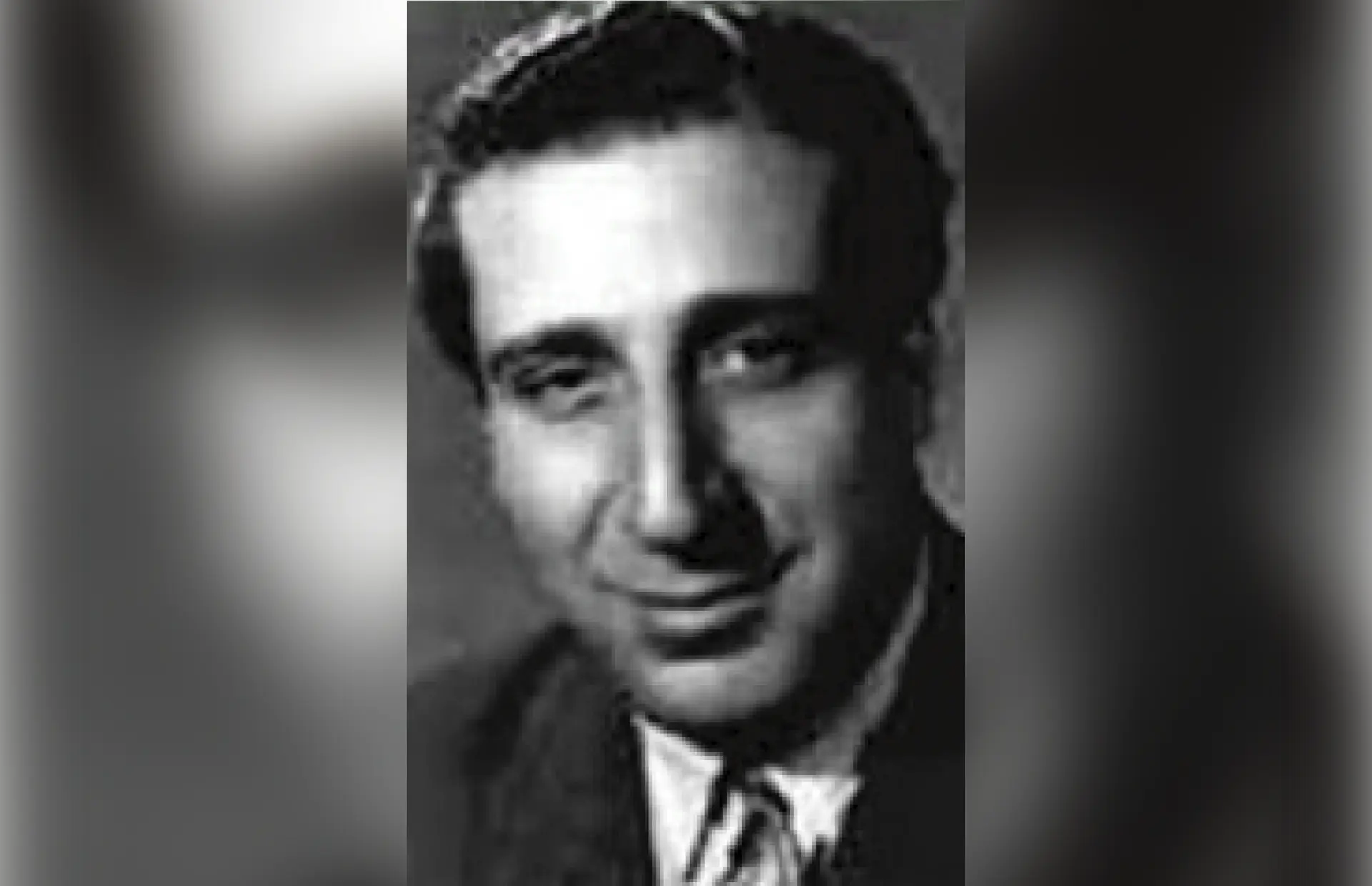
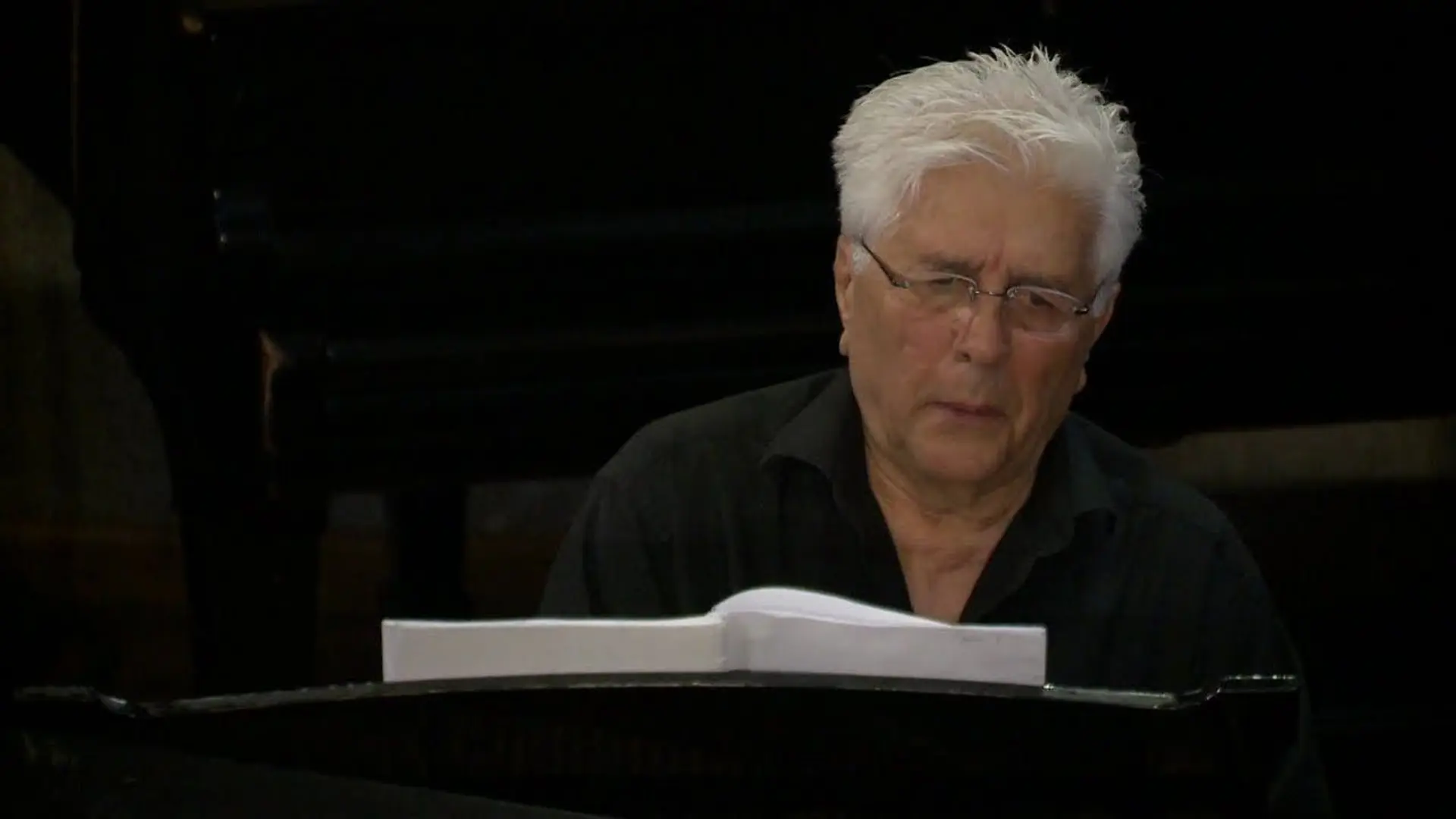
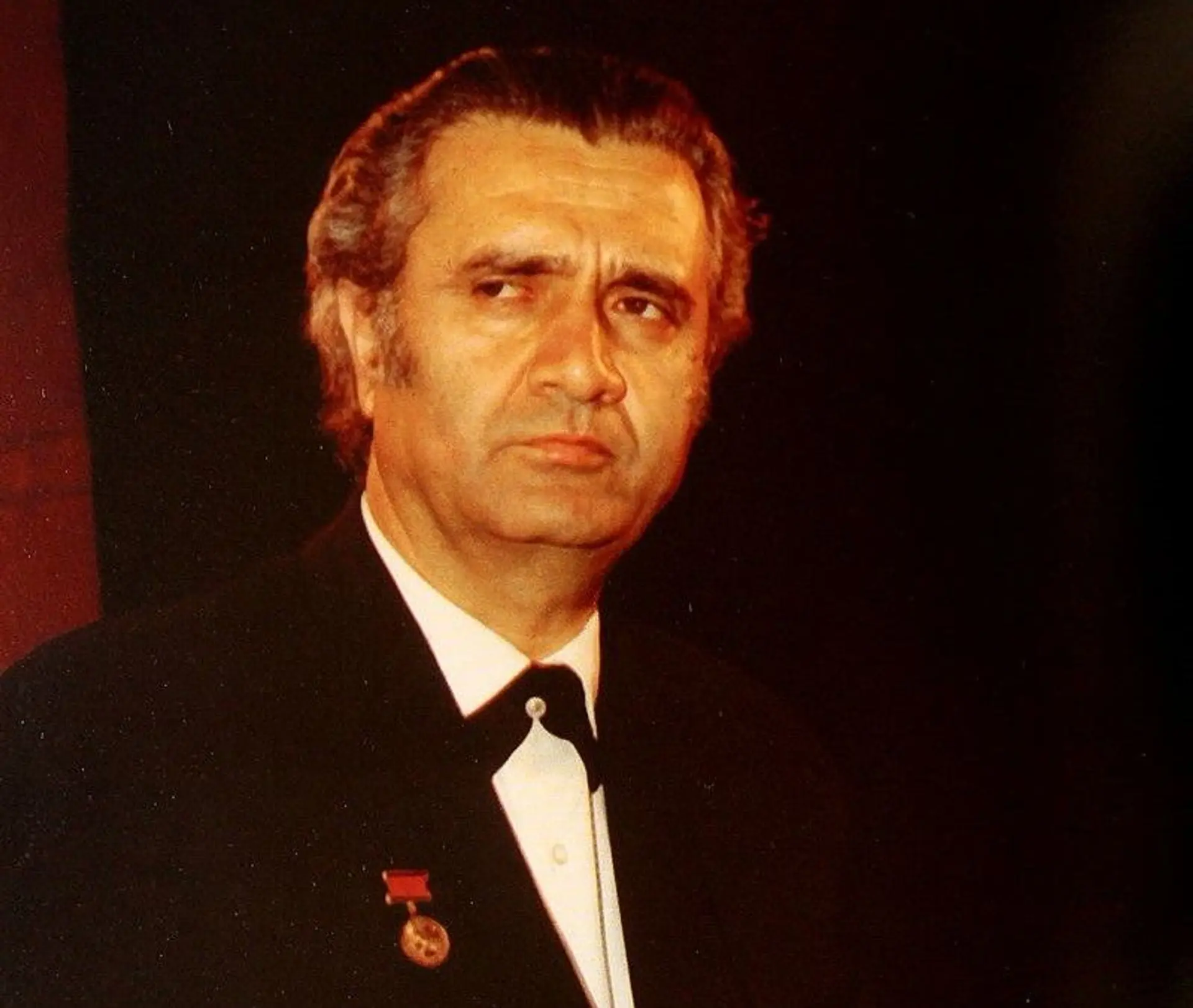
Alexander Arutiunian was born on September 23, 1920, in Yerevan, Armenia, in the family of Grigor and Eleonora Arutiunian. His father was a military serviceman. In 1927, Arutiunian became a member of the Yerevan State Conservatory’s children group, then, at age 14, he was allowed to enter the Conservatory Studio in the class of Olga Babasyan (piano), and Sergei Barkhudaryan and Vardges Talyan (composition). He graduated from the Yerevan Komitas State Conservatory on the eve of World War II. After the war, he moved to Moscow, where between 1946 and 1948 he participated in the workshops of the House of Armenian Culture, and studied composition with Genrikh Litinsky. After graduation he returned to Yerevan to teach at the Conservatory and in 1954 he was appointed artistic director of the Armenian State Philharmony. He was also a member of the Board of the USSR Composers' Union, as well as of the Composers Union of Armenia.
In 1949, Arutiunian was awarded the Stalin Prize for his cantata Motherland, a graduation piece he wrote as a student at the Moscow Conservatory. The USSR Radio Choir and Orchestra premiered this work in November 1948.
In 1949, Arutiunian composed the "Festive Overture" which was first performed in the Big Hall of the Leningrad Philharmonic in November 1949, with Evgeny Mravinsky conducting. During the Moscow Music Congress, Aram Khachaturian considered himself as a promising Soviet composer. He continued to win acclaim at home and abroad for his works, many of which are quickened by the folk traditions of Armenian music. Other works of that kind include The tale of Armenian people (1960), Ode to Lenin (1967), and Hymn to the brotherhood (1970).
Some of Arutiunian's works for wind instruments include his 1950 concerto for trumpet, the concerto for tuba, and the brass quintet Armenian Scenes. In 1988, inspired by the Spitak earthquake, Arutiunian composed his Concerto for Violin and String Orchestra, Armenia-88 (dedicated to Ruben Aharonyan). The premiere took place in Yerevan in 1989. 1977 – All-Union Alexandrov Prize (Gold medal). Orpheus Award (USA)(1983), Aram Khachaturian Prize (1986), "Khorenatsi" Medal (1998), "St Mesrop Mashtots" medal (2001), St Sahak and St Mesrop (Etchmiadzin, Armenia,2004), Armenian Academy of Sciences Gold Medal (2005) are among his prizes. In 2000 he wrote his book “Memories”.
In 1949, Arutiunian was awarded the Stalin Prize for his cantata Motherland, a graduation piece he wrote as a student at the Moscow Conservatory. The USSR Radio Choir and Orchestra premiered this work in November 1948.
In 1949, Arutiunian composed the "Festive Overture" which was first performed in the Big Hall of the Leningrad Philharmonic in November 1949, with Evgeny Mravinsky conducting. During the Moscow Music Congress, Aram Khachaturian considered himself as a promising Soviet composer. He continued to win acclaim at home and abroad for his works, many of which are quickened by the folk traditions of Armenian music. Other works of that kind include The tale of Armenian people (1960), Ode to Lenin (1967), and Hymn to the brotherhood (1970).
Some of Arutiunian's works for wind instruments include his 1950 concerto for trumpet, the concerto for tuba, and the brass quintet Armenian Scenes. In 1988, inspired by the Spitak earthquake, Arutiunian composed his Concerto for Violin and String Orchestra, Armenia-88 (dedicated to Ruben Aharonyan). The premiere took place in Yerevan in 1989. 1977 – All-Union Alexandrov Prize (Gold medal). Orpheus Award (USA)(1983), Aram Khachaturian Prize (1986), "Khorenatsi" Medal (1998), "St Mesrop Mashtots" medal (2001), St Sahak and St Mesrop (Etchmiadzin, Armenia,2004), Armenian Academy of Sciences Gold Medal (2005) are among his prizes. In 2000 he wrote his book “Memories”.
Scores by Alexander Arutiunian