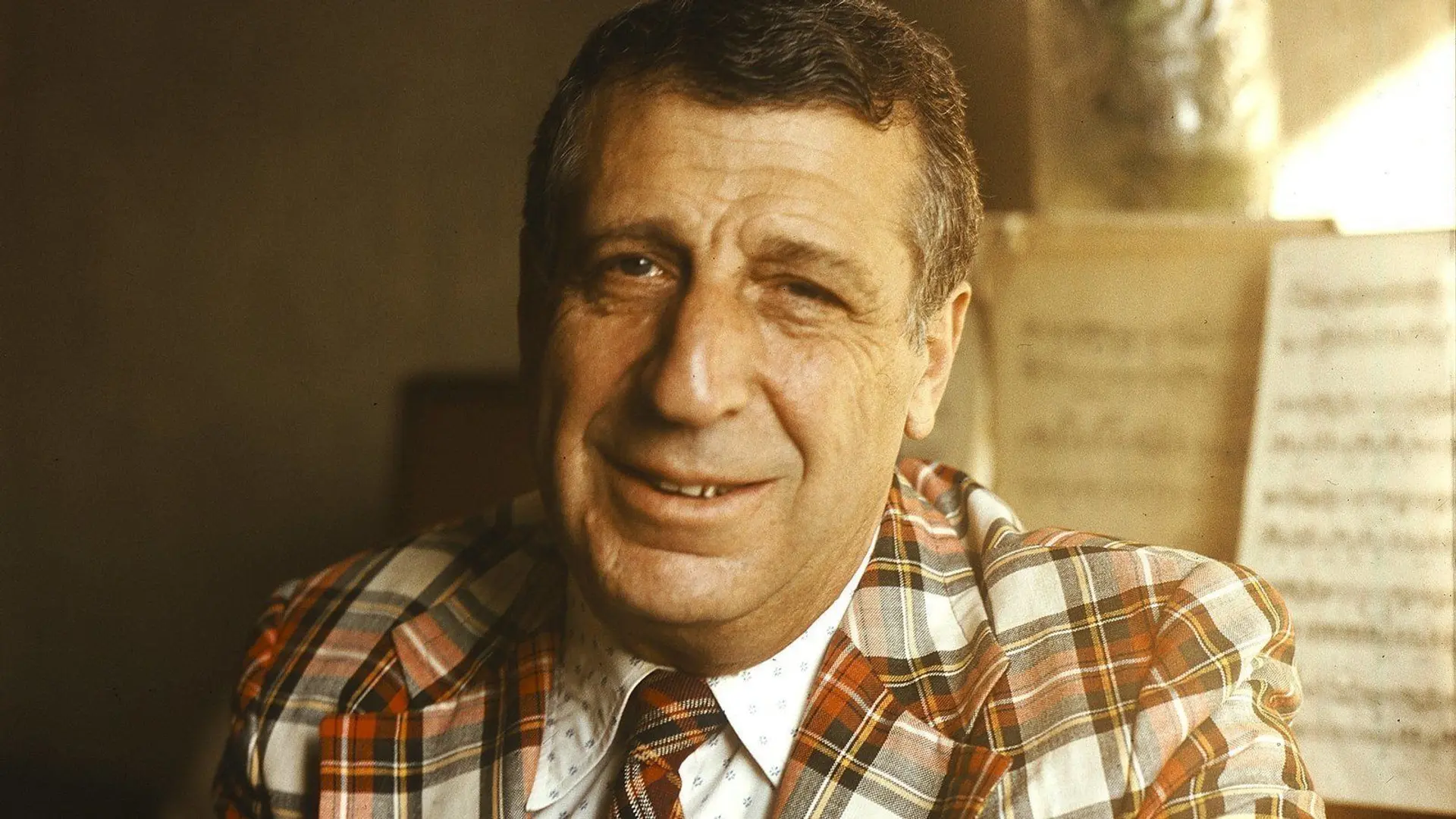
Arno Babajanyan
Composer
- Composer
Biography
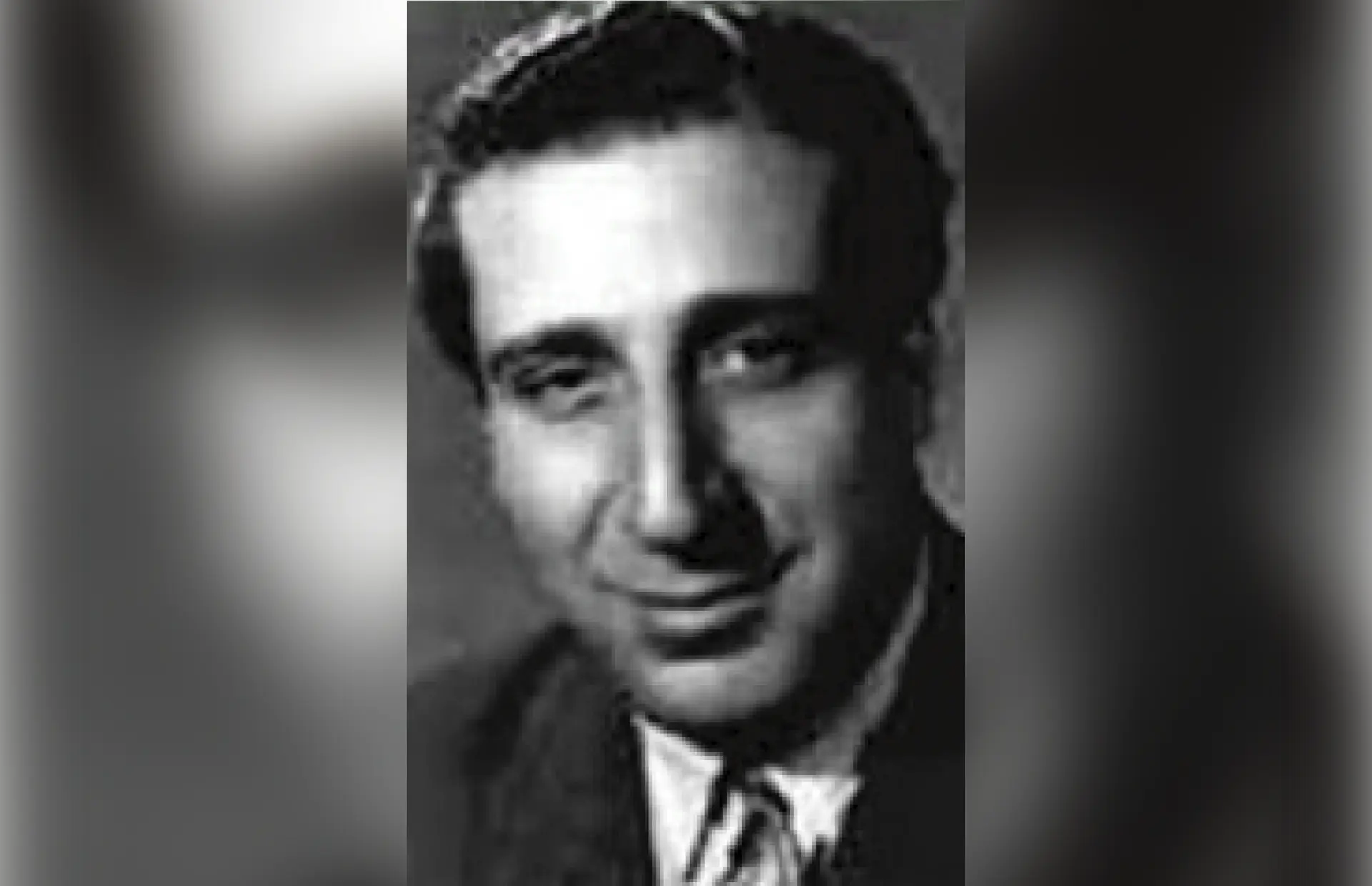
Composer, pianist, pedagogue Armno Babajanyan is one of the most unique Armenian composers of the 20th century.
He was born in Yerevan, on January 21, 1921. There were no musicians among Arno’s family or ancestors, but his father was a big music lover and was playing kamancha, shvi. His musical talent was revealed from an early age. Back in kindergarten, Babajanyan's musical abilities were checked by Aram Khachaturian, who advised him to take up music seriously. Few years after his first piano lessons (class of Eugeny Khosrovyan, then - Konstantin Igumnov’s class) he had his debut with a symphony orchestra. He performed Beethoven’s Piano concerto N. 1: the instrument was played with the orchestra for the first time in Armenia (conductor: Gevorg Budaghyan). Babajanyan’s first works are influenced by Aram Khachaturian and Sergey Rachmaninoff.
In 1938 moved to Moscow, where he studied at Gnessin State Music College for one year. In 1947 Babajanyan graduated from Yerevan Komitas State Conservatory, Department of composition (class of Vardges Talyan). During this period he wrote his Piano concerto. Then, in 1948 he graduated from the Piano Department of Moscow Conservatory (class of Konstantin Igumanov). Parallelly, in 1946-1948 he took master-classes at the Armenian House of Culture in Moscow at composers H. Litinsky, N. Peyko, V. Tsukerman. During this period he wrote his Polyphonic Sonata for piano, contemporary music elements of which can be found in Babajanyan’s “Heroic ballad” and Piano trio.
From the 1950s Babajanyan started his career as a teacher. In 1950-1956 he taught at Yerevan Komitas State Conservatory. R. Tandilyan, R. Shugarov and many others are among his students. During this period he wrote his “Heroic Ballad” (1950), “Armenian Rhapsody” (1950), Piano trio (1952) and other famous pieces. From the late 1950s the composer moved to Moscow, but every year he was returning to the fatherland. In 1959 the composer wrote his Sonata for Violin and Piano, which is considered to be the peak of his career.
In the 1960-70s Babajanyan composed his Cello concerto, “Six Pictures” for piano, Poem for piano, and String quartet N. 3 (Dedicated to the memory of D. Schostakovich). “Everything I compose, it becomes Armenian”,-Babajanyan marked.
Despite his classical works, Babajanyan is more famous for his pop songs. He wrote pieces for theatre performances (“My heart is in highlands” by W. Saroyan), soundtracks (“First love song” with Ghazaros Saryan, “Northern bride” etc.).
Babajanyan's role and significance in piano art are also very important. Pianist Babajanyan was a brilliant performer who played with the greatest representatives of the performing art of his time, such as David Oistrakh, Svyatoslav Knushevitsky and many others.
A. Babajanyan was awarded a number of state awards (Order of the Red Banner of Labor, State Prize of the USSR), the title of People's Artist of the USSR (1960), then the People's Artist of the Soviet Union (1970). A. Babajanyan died in 1983, on November 11, in Moscow. He rests in Yerevan, in the city pantheon. There is a concert hall named after him in Yerevan, state music pedagogical college, and a monument to him is placed in the center of Yerevan (sculptor: David Bejanyan).
"The work should always touch the listener. The first necessary condition for the authenticity of music and criterion is emotion. It should touch you, shake you, enter your heart but not surprise you. ” These words of Arno Babajanyan are really typical of his entire musical heritage.
He was born in Yerevan, on January 21, 1921. There were no musicians among Arno’s family or ancestors, but his father was a big music lover and was playing kamancha, shvi. His musical talent was revealed from an early age. Back in kindergarten, Babajanyan's musical abilities were checked by Aram Khachaturian, who advised him to take up music seriously. Few years after his first piano lessons (class of Eugeny Khosrovyan, then - Konstantin Igumnov’s class) he had his debut with a symphony orchestra. He performed Beethoven’s Piano concerto N. 1: the instrument was played with the orchestra for the first time in Armenia (conductor: Gevorg Budaghyan). Babajanyan’s first works are influenced by Aram Khachaturian and Sergey Rachmaninoff.
In 1938 moved to Moscow, where he studied at Gnessin State Music College for one year. In 1947 Babajanyan graduated from Yerevan Komitas State Conservatory, Department of composition (class of Vardges Talyan). During this period he wrote his Piano concerto. Then, in 1948 he graduated from the Piano Department of Moscow Conservatory (class of Konstantin Igumanov). Parallelly, in 1946-1948 he took master-classes at the Armenian House of Culture in Moscow at composers H. Litinsky, N. Peyko, V. Tsukerman. During this period he wrote his Polyphonic Sonata for piano, contemporary music elements of which can be found in Babajanyan’s “Heroic ballad” and Piano trio.
From the 1950s Babajanyan started his career as a teacher. In 1950-1956 he taught at Yerevan Komitas State Conservatory. R. Tandilyan, R. Shugarov and many others are among his students. During this period he wrote his “Heroic Ballad” (1950), “Armenian Rhapsody” (1950), Piano trio (1952) and other famous pieces. From the late 1950s the composer moved to Moscow, but every year he was returning to the fatherland. In 1959 the composer wrote his Sonata for Violin and Piano, which is considered to be the peak of his career.
In the 1960-70s Babajanyan composed his Cello concerto, “Six Pictures” for piano, Poem for piano, and String quartet N. 3 (Dedicated to the memory of D. Schostakovich). “Everything I compose, it becomes Armenian”,-Babajanyan marked.
Despite his classical works, Babajanyan is more famous for his pop songs. He wrote pieces for theatre performances (“My heart is in highlands” by W. Saroyan), soundtracks (“First love song” with Ghazaros Saryan, “Northern bride” etc.).
Babajanyan's role and significance in piano art are also very important. Pianist Babajanyan was a brilliant performer who played with the greatest representatives of the performing art of his time, such as David Oistrakh, Svyatoslav Knushevitsky and many others.
A. Babajanyan was awarded a number of state awards (Order of the Red Banner of Labor, State Prize of the USSR), the title of People's Artist of the USSR (1960), then the People's Artist of the Soviet Union (1970). A. Babajanyan died in 1983, on November 11, in Moscow. He rests in Yerevan, in the city pantheon. There is a concert hall named after him in Yerevan, state music pedagogical college, and a monument to him is placed in the center of Yerevan (sculptor: David Bejanyan).
"The work should always touch the listener. The first necessary condition for the authenticity of music and criterion is emotion. It should touch you, shake you, enter your heart but not surprise you. ” These words of Arno Babajanyan are really typical of his entire musical heritage.
Scores by Arno Babajanyan