Avet Terteryan
Composer
- Composer
Biography
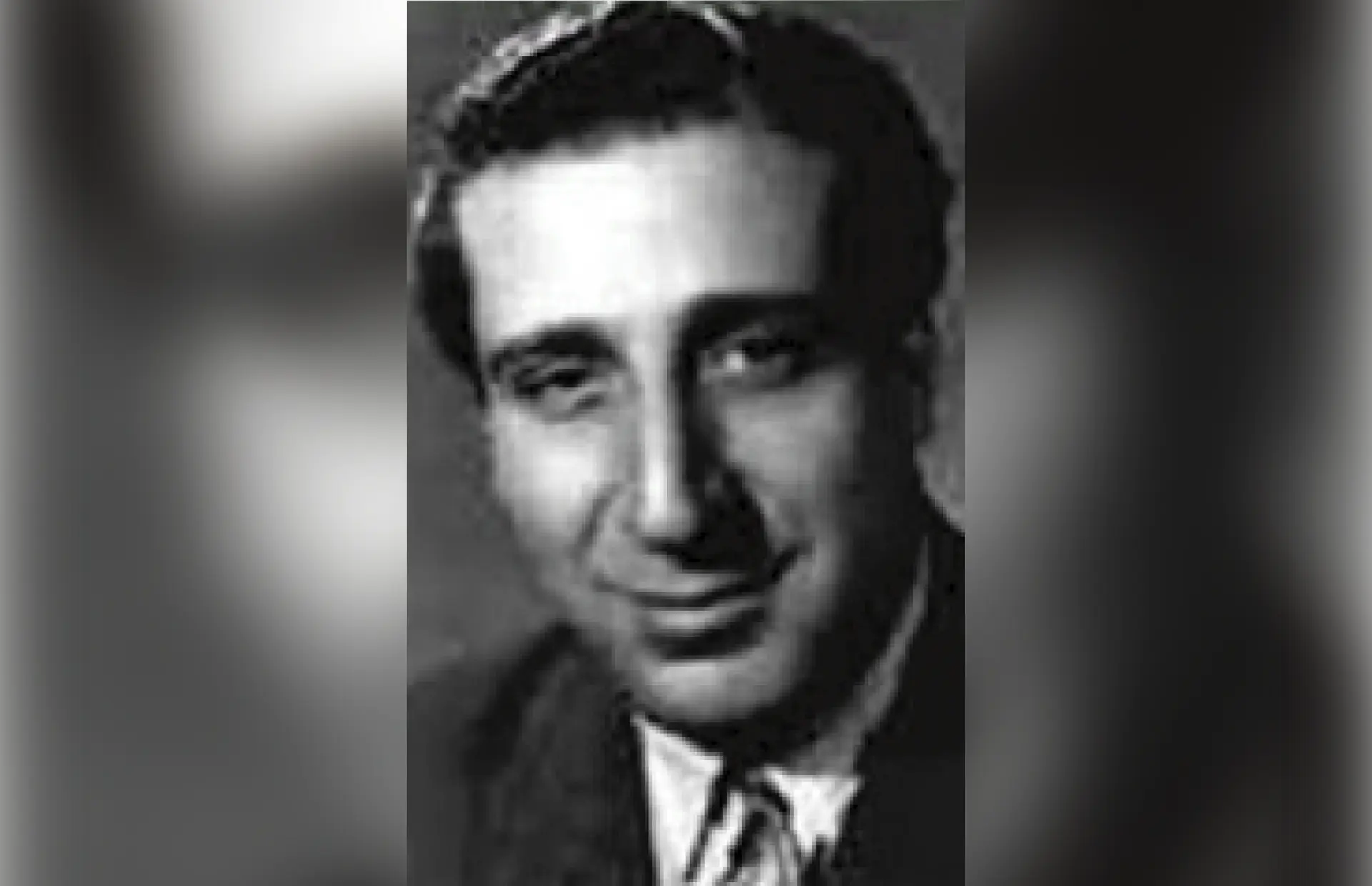
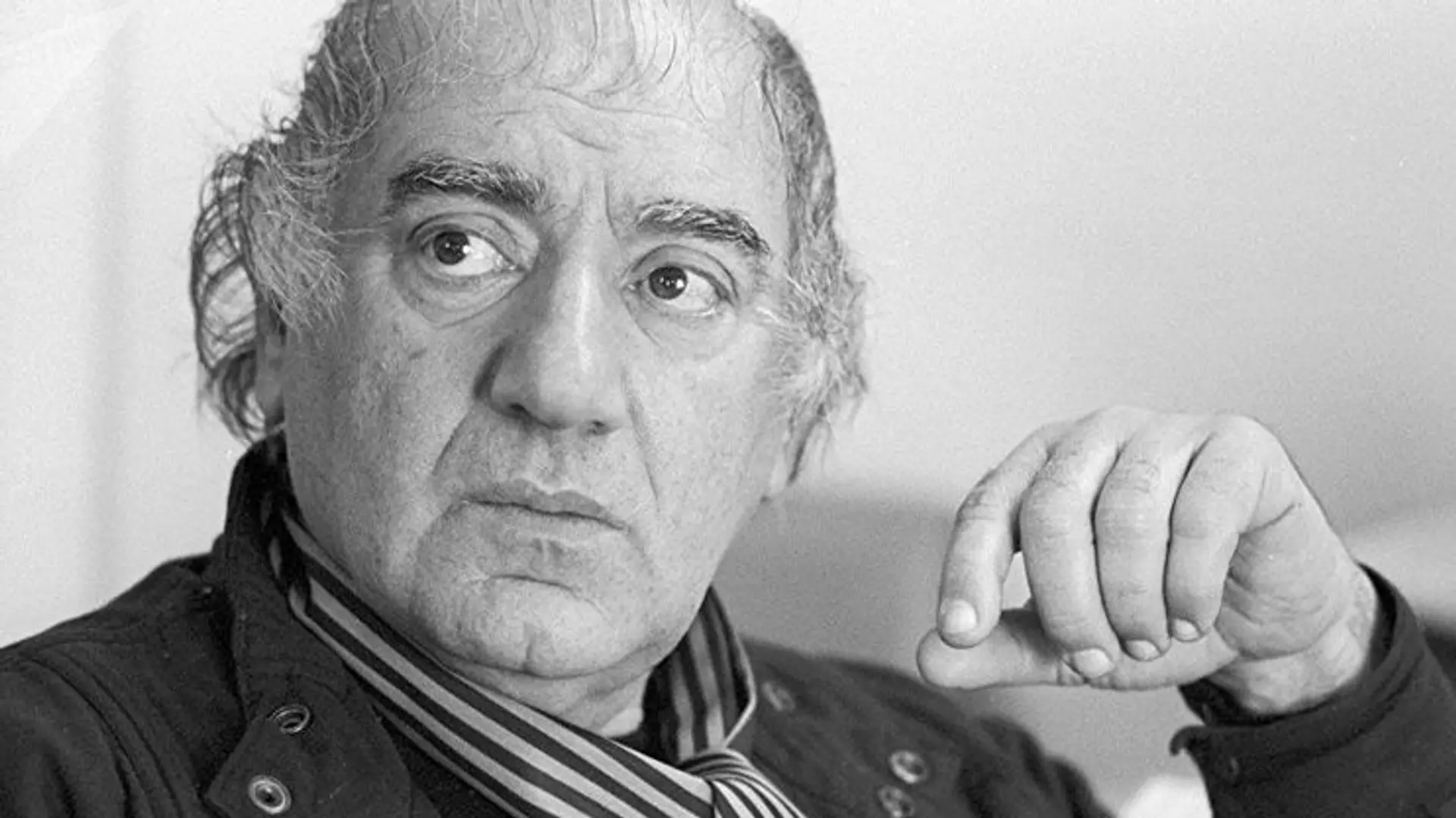
Avet (Alfred) Terteryan was born on July 29, 1929, in Baku. People’s Artist of the USSR and laureate of the Armenian USSR State Prize. He is considered a founder of a new symphony style.
In 1948 Terteryan entered the music college in Baku, then continued his education at Romanos Melikyan Music College in Yerevan. In 1952 he became a student of Yerevan Komitas State Conservatory, Department of Composition (Class of Eduard Mirzoyan). He had been teaching at the same institution since 1985.
Avet Terteryan composed 8 symphonies. Here he used new styles: aleatoric composition, Sound reinforcement system, atonal harmony, etc. He created his first symphony in 1969 which opened new paths for Armenian classical music. It is written for brass instruments, percussion, organ, and bass guitar.
The second symphony is written for a big orchestra, male voice and mixed orchestra. It's a look into the past, present and future.
In 1975, the 3rd Symphony was finished. Here he included a zurna and duduk with the orchestra. This symphony is a set of reflections on the futility of human life, the eternal question of being.
In the 4th symphony, Terteryan applied the principle of aleatoric music, according to which the intensity of the sounds and the dynamics during the performance are determined by the conductor. The 4th Symphony has a sound system, which combines cystones, which pave the way for a quarter ton, to the settings of modern times. It is in this symphony that Terteryan crosses the line that was the direction of Mahler and his descendants. In the 4th symphony, the differentiation of time and space changes radically.
The 5th symphony is one part. Written for symphony orchestra, kamancha and bells. In this symphony, the sound of the kamancha contrasts with the symphony orchestra. The constructive basis of the symphony is layered polyphony - interval, chord, cluster, tape-rhythm. The symphony is a fugue in its structure. The rhythmic layer develops very interestingly. The composer has created a special rhythmic formula, which develops in an imitation way.
The 6th symphony is created for chamber orchestra and chamber choir, where due to the phonogram sound of the big orchestra is audible. The beats of tam-tam are on the basis of the piece. In this symphony, the East and the West merge. The author called the 6th symphony a space mass, where Terteryan already touches on the ideas of life, death and birth. It is in this symphony that the sound acquires the meaning of an absolute symbol.
The 7th symphony is written for symphony orchestra, solo daf, and audiotape. It starts with a ritual introduction. In the 7th symphony, Terteryan returns from the creative heavenly state to man, to the reality of existence, in which the winner is the intellect.
The last, the 8th symphony, is one-part (1989). The instrumental composition is unusual: a large symphony orchestra, 2 female voices (soprano and alto), 2 sopranos in a tape recorder, a synthesizer, bells. In this symphony, Terteryan uses all the timbre power of the voice, from the sound that causes anxiety and agitation to the sound that is exceptionally beautiful.
Avet Terteryan’s symphonies were performed in Armenia, Russia, and European countries.
Avet Terteryan composed two operas. In “Ring of Fire” he broke the stereotypes about traditional Armenian opera, where the librettist V. Shahnazaryan connected B. Lavrentev’s “Forty-first” with Y. Charents’ “Soma” and "Epical Sunrise".
Opera in two parts “Earthquake” (Libretto: Hertha Shteher, Avet Terteryan) is based on the novel by Heinrich von Kleist’s “Earthquake in Chile” Terteryan created a ballet based on Shakespeare's tragedy "Richard III" - "Monologues of Richard III". Avoiding stabilized ballet dances, the composer, first of all, avoided typical dance rhythmic formations. Avet Terteryan was not able to realize the next big idea. The 9th symphony and "Vardanank" mystery remained unfinished.
Avet Terteryan died in 1994. He rests in the Yerevan City Pantheon. The Avet Terteryan Art School operates in the 4th district of Yerevan's Davtashen administrative district.
In 1948 Terteryan entered the music college in Baku, then continued his education at Romanos Melikyan Music College in Yerevan. In 1952 he became a student of Yerevan Komitas State Conservatory, Department of Composition (Class of Eduard Mirzoyan). He had been teaching at the same institution since 1985.
Avet Terteryan composed 8 symphonies. Here he used new styles: aleatoric composition, Sound reinforcement system, atonal harmony, etc. He created his first symphony in 1969 which opened new paths for Armenian classical music. It is written for brass instruments, percussion, organ, and bass guitar.
The second symphony is written for a big orchestra, male voice and mixed orchestra. It's a look into the past, present and future.
In 1975, the 3rd Symphony was finished. Here he included a zurna and duduk with the orchestra. This symphony is a set of reflections on the futility of human life, the eternal question of being.
In the 4th symphony, Terteryan applied the principle of aleatoric music, according to which the intensity of the sounds and the dynamics during the performance are determined by the conductor. The 4th Symphony has a sound system, which combines cystones, which pave the way for a quarter ton, to the settings of modern times. It is in this symphony that Terteryan crosses the line that was the direction of Mahler and his descendants. In the 4th symphony, the differentiation of time and space changes radically.
The 5th symphony is one part. Written for symphony orchestra, kamancha and bells. In this symphony, the sound of the kamancha contrasts with the symphony orchestra. The constructive basis of the symphony is layered polyphony - interval, chord, cluster, tape-rhythm. The symphony is a fugue in its structure. The rhythmic layer develops very interestingly. The composer has created a special rhythmic formula, which develops in an imitation way.
The 6th symphony is created for chamber orchestra and chamber choir, where due to the phonogram sound of the big orchestra is audible. The beats of tam-tam are on the basis of the piece. In this symphony, the East and the West merge. The author called the 6th symphony a space mass, where Terteryan already touches on the ideas of life, death and birth. It is in this symphony that the sound acquires the meaning of an absolute symbol.
The 7th symphony is written for symphony orchestra, solo daf, and audiotape. It starts with a ritual introduction. In the 7th symphony, Terteryan returns from the creative heavenly state to man, to the reality of existence, in which the winner is the intellect.
The last, the 8th symphony, is one-part (1989). The instrumental composition is unusual: a large symphony orchestra, 2 female voices (soprano and alto), 2 sopranos in a tape recorder, a synthesizer, bells. In this symphony, Terteryan uses all the timbre power of the voice, from the sound that causes anxiety and agitation to the sound that is exceptionally beautiful.
Avet Terteryan’s symphonies were performed in Armenia, Russia, and European countries.
Avet Terteryan composed two operas. In “Ring of Fire” he broke the stereotypes about traditional Armenian opera, where the librettist V. Shahnazaryan connected B. Lavrentev’s “Forty-first” with Y. Charents’ “Soma” and "Epical Sunrise".
Opera in two parts “Earthquake” (Libretto: Hertha Shteher, Avet Terteryan) is based on the novel by Heinrich von Kleist’s “Earthquake in Chile” Terteryan created a ballet based on Shakespeare's tragedy "Richard III" - "Monologues of Richard III". Avoiding stabilized ballet dances, the composer, first of all, avoided typical dance rhythmic formations. Avet Terteryan was not able to realize the next big idea. The 9th symphony and "Vardanank" mystery remained unfinished.
Avet Terteryan died in 1994. He rests in the Yerevan City Pantheon. The Avet Terteryan Art School operates in the 4th district of Yerevan's Davtashen administrative district.
Scores by Avet Terteryan