Barsegh Kanachyan
Composer
- Composer
Biography
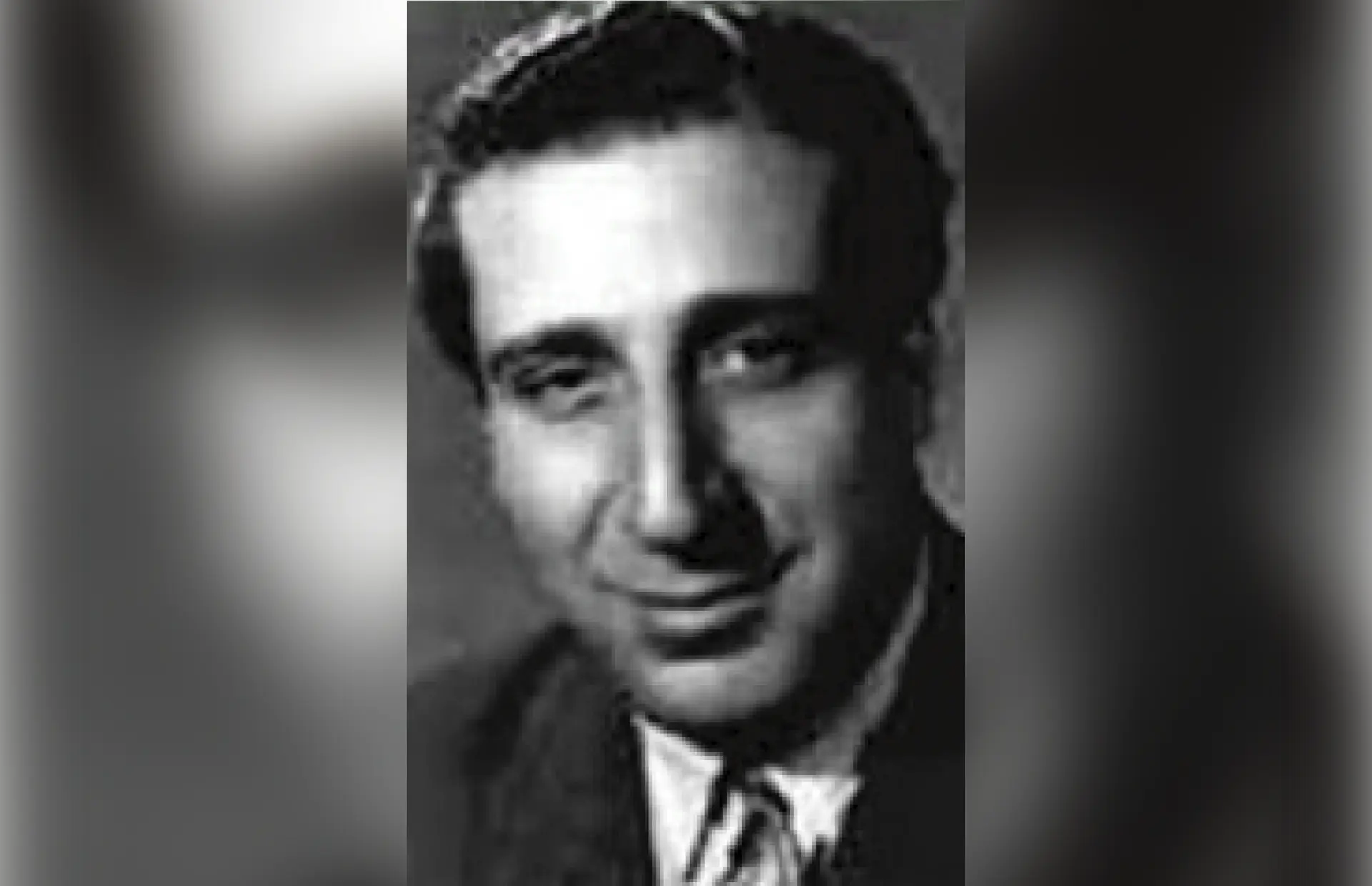
Barsegh Kanachyan was born in 1885, in Rodosto, a small town near Constantinople. Growing up in a politically unstable area during precarious times, he was able to survive by moving first to Bulgaria, then to Romania, and back to Constantinople around 1908, always pursuing his musical studies.
In 1914 he was conscripted into the Turkish army and served until 1918, during which time his life was spared to provide entertainment to the Turkish officers by playing the violin. It was in Constantinople that he met Komitas and became his pupil for three years. In 1919 and 1920 the first compositions of the pupils of Komitas were published in three slim volumes entitled Hye Koussan. These works are mostly harmonizations of Armenian patriotic songs, folk songs and other songs close to the hearts of survivors of the Genocide, who were living in agony, trying to survive under the direst conditions.
In 1921 Kanachyan and four other pupils of Komitas left for Paris to further their musical training. There Kanachyan followed Professor René Lenormand’s advanced music theory courses. In 1922 Ganatchian went to Egypt, where he composed his first choral work Dalilo. From 1926 to 1930 Ganatchian lived in Cyprus, where he taught at the Melkonian Institute. There he composed, among others, his masterpieces Hoy Nar (choral) and a revised version of Oror, originally composed in 1913.
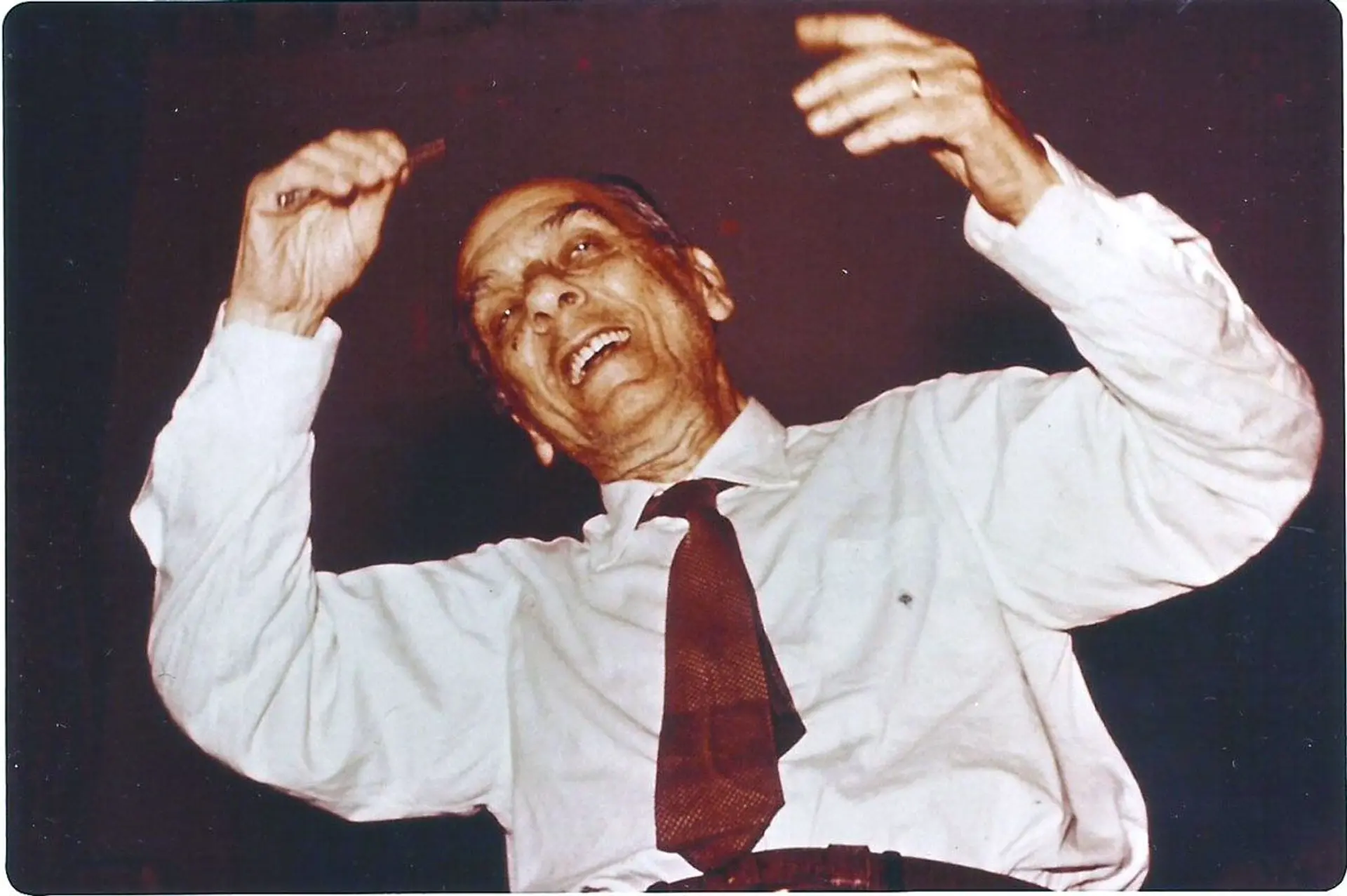
In 1932 Kanachyan settled in Beirut, Lebanon, and gave his first choral concert the following year. In 1936 Kanachyan’s presence prompted the establishment of the Koussan Armenian Musical Society and the “Koussan” semi-professional choral group which Kanachyan 2 directed for 25 years and for which he wrote his a capella compositions and art songs.
Unfortunately, his eyesight began to fail him in the late 1940s, making his work more and more difficult each year. Still, he presented at least one concert annually, sometimes more, an event which the public avidly awaited. Other than the mere pleasure of hearing beautiful choral renditions, the aura created by the “Koussan” choir and its composer-conductor Barsegh Kanachyan provided the spiritual and emotional support essential to those survivors of the Genocide who had settled in the countries of the Middle East. Two recordings of his works have been produced on 33 RPM (recorded during the concerts), which, although historically meaningful, leave much to be desired in technical and tonal quality.
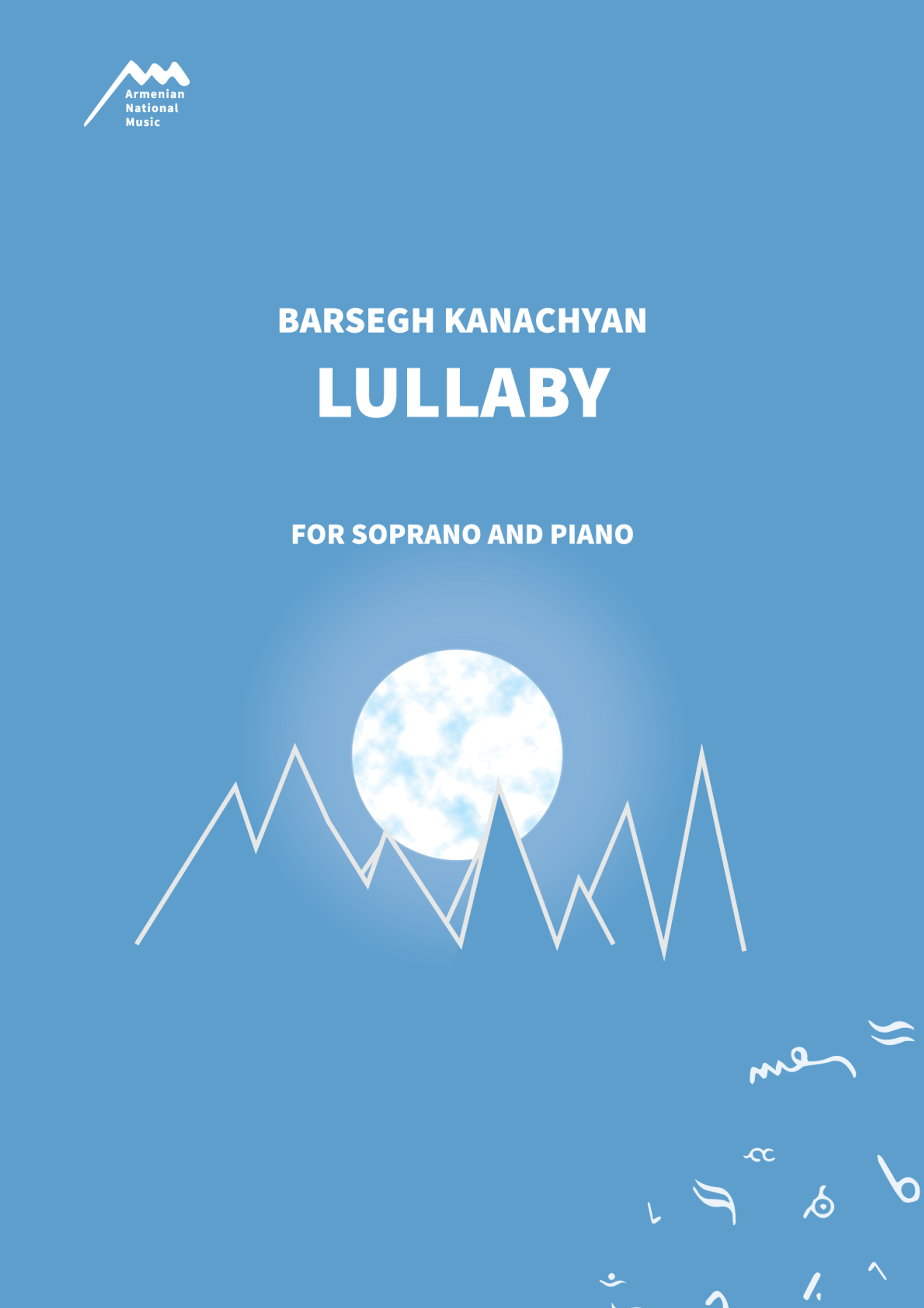
In recognition of his meritorious achievements in the field of culture in Lebanon, he was awarded the prestigious “Order of the Cedar” in 1938. In 1960, almost totally blind, Kanachyan and his wife Kristiné moved to Baghdad, Iraq, where two of their three daughters lived. He passed away in Beirut, Lebanon, where he had come for medical treatment, in 1967. Kanachyan’s compositions for choir and for solo voice from 1922 onward were first published in 10 volumes in 1947. Seven additional volumes appeared in the following years, the last of which, consisting of four choral works, was published in Baghdad around 1963. All of these compositions have been recorded in the present three CDs. Only his early efforts as a student, published from 1919 to 1920 in Hye Koussan as mentioned previously, an incomplete opera and a few unfinished pieces have not been recorded. Therefore, the three CDs contain his 23 a capella choral compositions, 19 children’s songs with piano accompaniment, six original romance songs for voice and piano and one romance song which is a harmonization.
In 1914 he was conscripted into the Turkish army and served until 1918, during which time his life was spared to provide entertainment to the Turkish officers by playing the violin. It was in Constantinople that he met Komitas and became his pupil for three years. In 1919 and 1920 the first compositions of the pupils of Komitas were published in three slim volumes entitled Hye Koussan. These works are mostly harmonizations of Armenian patriotic songs, folk songs and other songs close to the hearts of survivors of the Genocide, who were living in agony, trying to survive under the direst conditions.
In 1921 Kanachyan and four other pupils of Komitas left for Paris to further their musical training. There Kanachyan followed Professor René Lenormand’s advanced music theory courses. In 1922 Ganatchian went to Egypt, where he composed his first choral work Dalilo. From 1926 to 1930 Ganatchian lived in Cyprus, where he taught at the Melkonian Institute. There he composed, among others, his masterpieces Hoy Nar (choral) and a revised version of Oror, originally composed in 1913.
In 1932 Kanachyan settled in Beirut, Lebanon, and gave his first choral concert the following year. In 1936 Kanachyan’s presence prompted the establishment of the Koussan Armenian Musical Society and the “Koussan” semi-professional choral group which Kanachyan 2 directed for 25 years and for which he wrote his a capella compositions and art songs.
Unfortunately, his eyesight began to fail him in the late 1940s, making his work more and more difficult each year. Still, he presented at least one concert annually, sometimes more, an event which the public avidly awaited. Other than the mere pleasure of hearing beautiful choral renditions, the aura created by the “Koussan” choir and its composer-conductor Barsegh Kanachyan provided the spiritual and emotional support essential to those survivors of the Genocide who had settled in the countries of the Middle East. Two recordings of his works have been produced on 33 RPM (recorded during the concerts), which, although historically meaningful, leave much to be desired in technical and tonal quality.
In recognition of his meritorious achievements in the field of culture in Lebanon, he was awarded the prestigious “Order of the Cedar” in 1938. In 1960, almost totally blind, Kanachyan and his wife Kristiné moved to Baghdad, Iraq, where two of their three daughters lived. He passed away in Beirut, Lebanon, where he had come for medical treatment, in 1967. Kanachyan’s compositions for choir and for solo voice from 1922 onward were first published in 10 volumes in 1947. Seven additional volumes appeared in the following years, the last of which, consisting of four choral works, was published in Baghdad around 1963. All of these compositions have been recorded in the present three CDs. Only his early efforts as a student, published from 1919 to 1920 in Hye Koussan as mentioned previously, an incomplete opera and a few unfinished pieces have not been recorded. Therefore, the three CDs contain his 23 a capella choral compositions, 19 children’s songs with piano accompaniment, six original romance songs for voice and piano and one romance song which is a harmonization.
Text by Bedros Alahaidoyan
Translated by Zaroug K. Kabakian
Scores by Barsegh Kanachyan