Biography
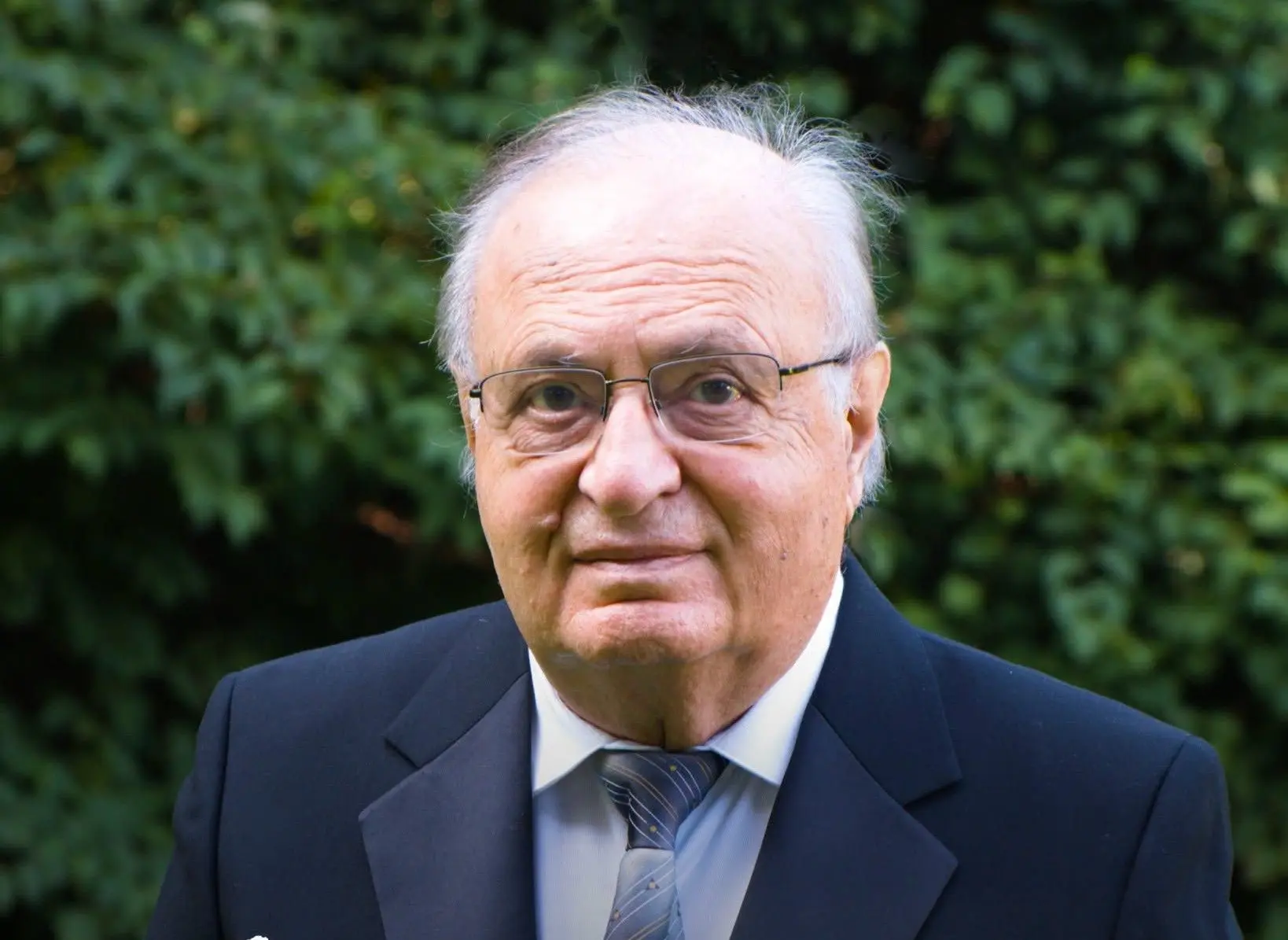
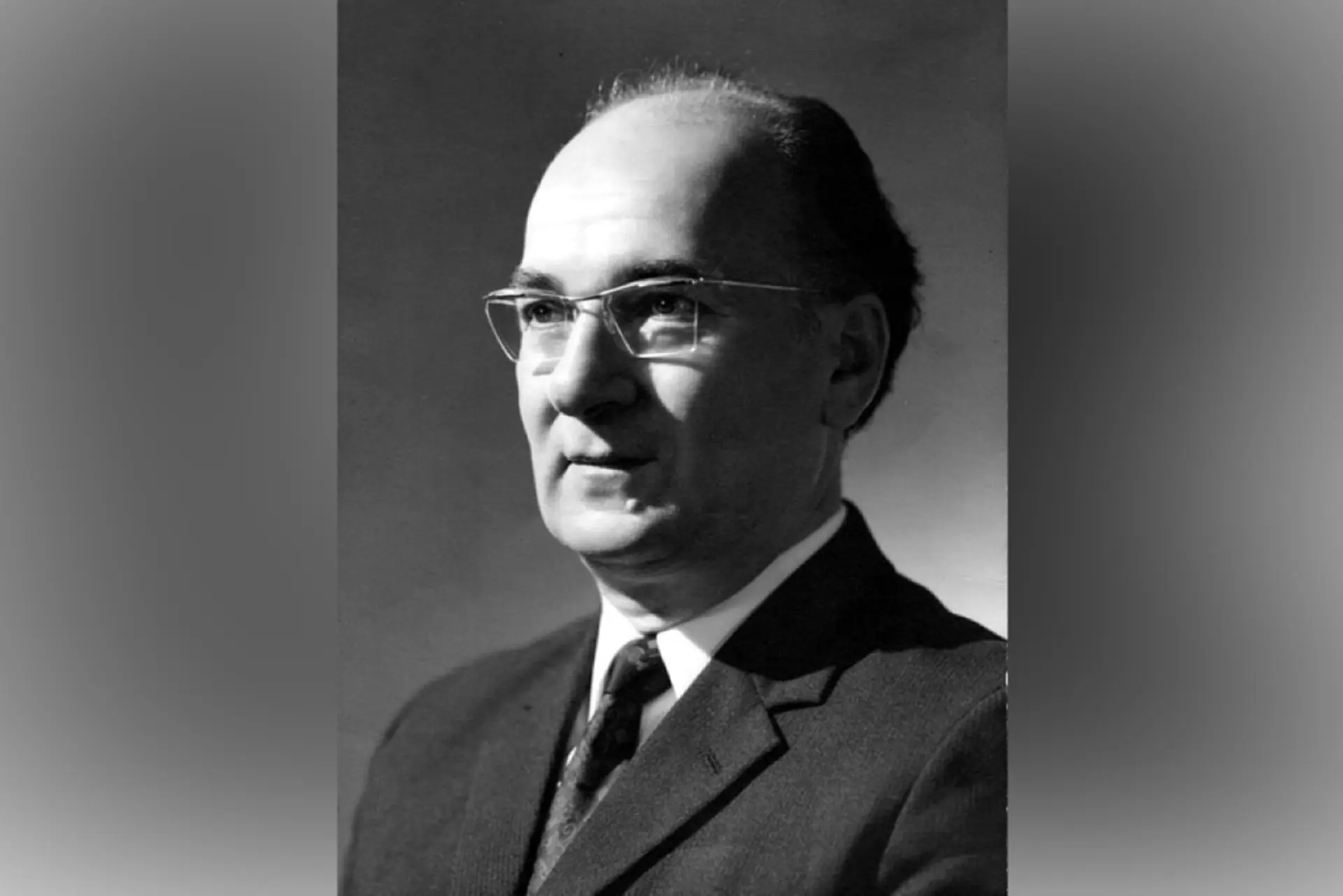
Ghazaros (Lazar) Saryan - composer, pedagogue, musician-public figure, People's
Artist of the USSR and
Republic of Armenia, and Laureate of State Award of the Republic of Armenia, was
born on 30 September 1920 in Rostov-on-Don. In early childhood, he moved with his
family to Yerevan. His love for art was inherited from his parents - renowned
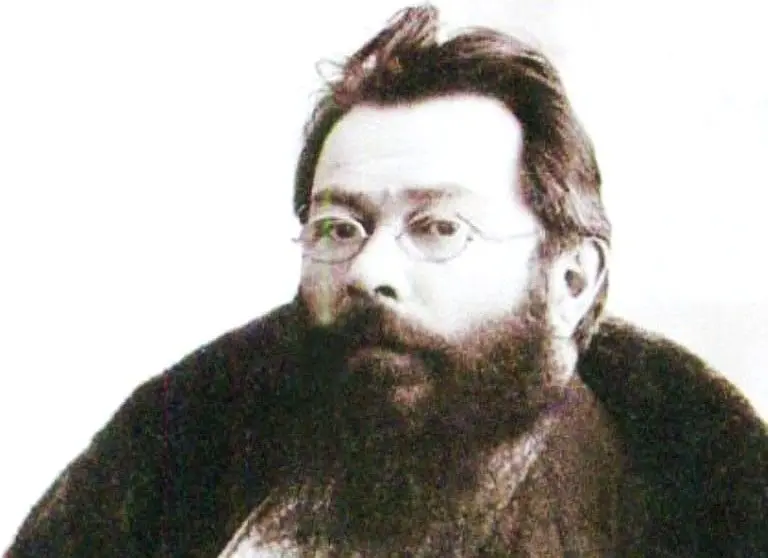
Armenian painter Martiros Saryan and Lusik Aghayan, who was the daughter of
prominent writer Ghazaros Aghayan. He received primary musical education
at the piano department of the school of Yerevan Komitas State Conservatory (E. Khosrovyan's
class).
Then from 1934 to 1938, he continued his studies in the creative department of the same
Conservatory in the classes of Vardges Talyan and Sargis Barkhudaryan. He then
continued his studies at the Gnessin
State Musical College (class of V. Shebalin) in Moscow. Although he studied there for
short period, the college played an essential role in his education as Saryan
strengthened his musical skills especially in this very college.
In 1939 Saryan was drafted into the Soviet army, and
from 1941 to 1945 participated in Great Patriotic War. Due to composer, the heavy battles of the 7th
regiment located 2 km away from Voronezh, were accompanied by music. There Saryan played bayan, whereas
the whole regiment sang the songs that were authored by the composer himself.
After the war was ended, in 1945-1950 Saryan continued his studies at
the Moscow State Conservatory after Pyotr Tchaikovsky. There Saryan
was instructed by D. Kabalevsky, D. Shostakovich and A. Alexandrov. Especially
valuable were the lessons with Dmitri Shostakovich as it was more than
student-lecturer relationship but it encompassed a broader range of issues
reflecting the arts. As a diploma work, the composer presented the Symphonic
Poem (1950), which marked the beginning of the composer's mature creative
period. After graduating from the Conservatory, he returned to Armenia,
pursuing active music-social and pedagogical activities. Starting from 1950 Saryan
taught orchestration at the Yerevan State Conservatory and then led a creative
class.
From 1954 to 1956, Saryan
served as chairman of the Armenian
Composers' Union.
In 1953, he created the "Day of Peace"
vocal-symphonic suite (lyrics by H. Ghukasyan) consisting of three parts:
"Morning", "Harvest Feast", "For the Sake of Peace"
(first performance in 1954). One of the highly rated works of the national
symphonic music is considered to be "Symphonic Images" created in
1955. Here parts of the suite are linked together through the folk song “Nubar-Nubar”.
In 1957 the “Festive Overture” was created for the symphony orchestra.
The music-social activities that Saryan was doing with great responsibility, in some ways were
taking his creative time. For about
26 years, 1960-1986 Saryan served as the rector of the Komitas State
Conservatory and later in 1986-1998, as the chair of the creative department at
the Conservatory.
In 1966, the composer finished one of his best
works Symphonic panel "Armenia", consisting of four parts:
"Garni", "Old Yerevan", "Ararat Valley",
"Solar Landscape". The composition was based on the music of a
documentary film about Martiros Saryan (1965). It was inspired by canvases of
the prominent artists, and by means of music, it is the reflection of colorful
palette of the artist.
From 1963 to 1967, the constructive works of Martiros
Saryan House-Museum and the organization of the first exhibition were underway.
Saryan served as the first director of the museum.
In 1968 Lazar Saryan married musicologist Araks
Harutyunyan Saryan (second marriage).
The composer's latest creative works include Violin and Orchestra Concert (1973),
Symphony (1980), String Quartet (1987).
Among
composer’s creative heritage, Saryan’s film scores are of important value.
Among them are "Small Change" (1954), "The Captives of
Hovazadzor" (1957), "The Song of First Love" (1958, co-authored
by Arno Babajanyan), "01-99" (1959), the documentary “Martiros"
Saryan” (1965). Noteworthy was the collaboration with Tigran Mansuryan when
they worked on the music instrumentation for the screening of Tigran
Chukhajyan's operetta "Karine".
In 1972 Saryan received a degree of professor, whereas in 1983 he received the State Award of the Republic of Armenia.
Among the important works of composers latest
creative years are "3 Postludes" (1990) for piano, “Passacaglia” for
Symphony Orchestra (1994) dedicated to the memory of his daughter Lusik Saryan,
and “Andante and Presto” (1997) for violin and chamber orchestra.
In
Saryan’s creative class have studies composers Tigran Mansuryan, Ruben Altunyan, Ruben Sargsyan, Stepan
Lusikyan, Vardan Achemyan, Stepan Rostomyan and others.
Lazar died on 27 May 1998 in Yerevan and was buried in Tokhmakh Cemetery, Yerevan.
Many
cultural institutions are names after Lazar Saryan, among them are the Yerevan
Conservatory Opera Studio, Art School N1 in Yerevan, Secondary School of
Professional Art in Ararat, String Quartet, and National Cultural Center of
Thessaloniki in Greece.
 Watch
 Watch
 Watch
 Watch
 Watch