Konstantin Petrossian
Composer
Biography
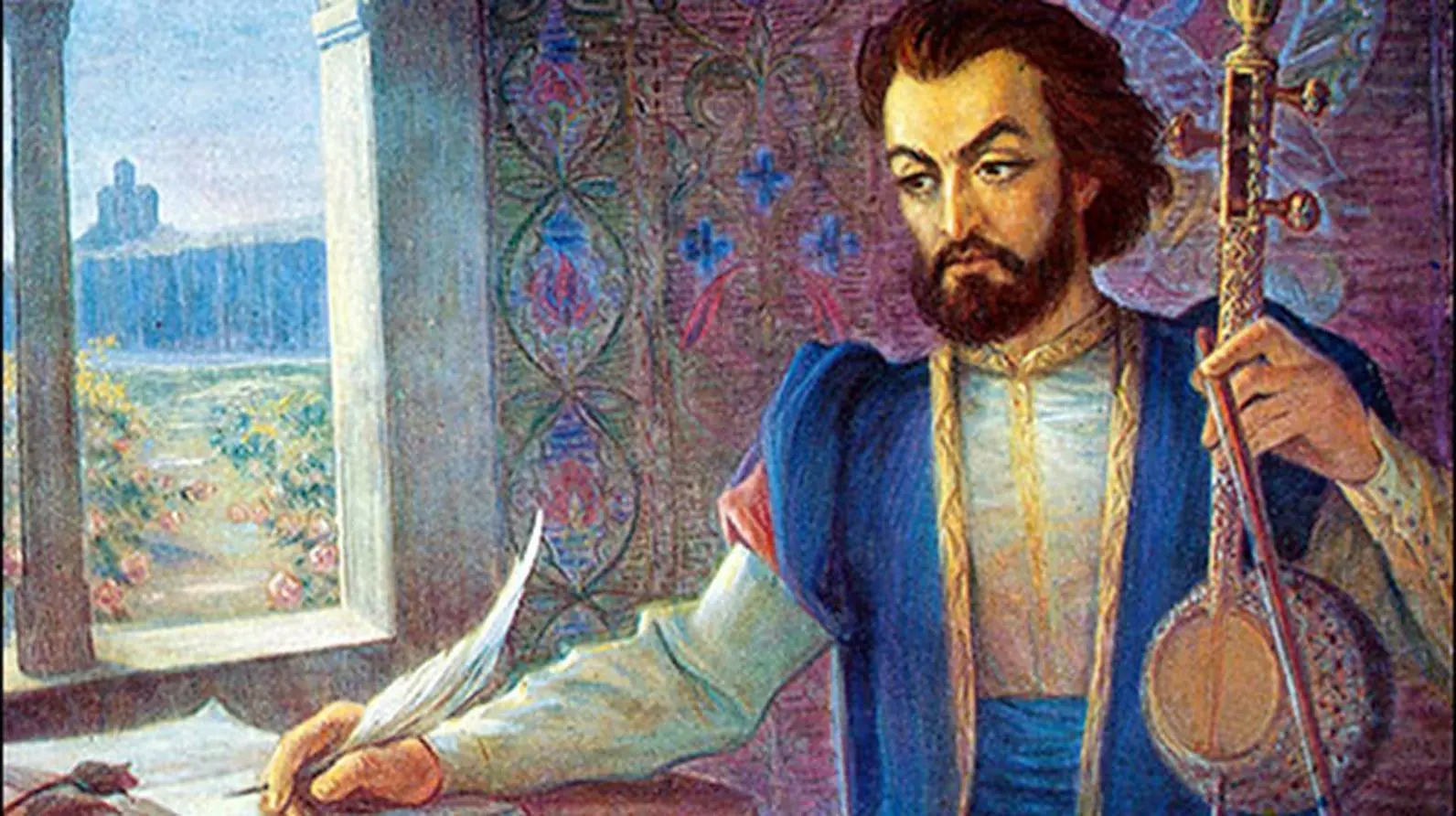
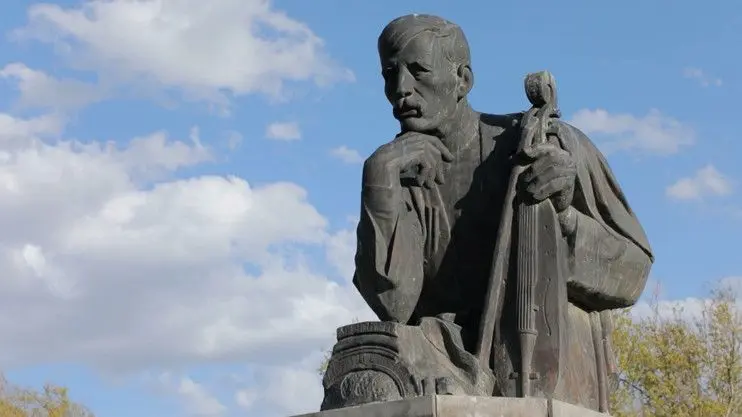
Serovbe Stepan Levonyan, or Jivani (846–1909), was one of the most prominent figures in Armenian ashugh (minstrel) art. His work holds an important place in Armenian cultural history of the late 19th and early 20th centuries. Jivani created numerous songs and poems addressing patriotism, national identity, social issues, human relationships, and everyday life.
Jivani was born in 1846 in the village of Kartsakh in Javakhk. He lost his father at an early age and grew up in difficult circumstances. His interest in music and ashugh art emerged in his youth. His first major teacher was Sia, known as Ghara-Ghazar, a renowned ashugh from Kartsakh, under whom he learned to sing, play musical instruments, and compose. Seropbe Levonyan later adopted the ashugh name Jivani.
In the late 1860s, Jivani moved to Alexandropol (present-day Gyumri), an important center of Armenian ashugh culture at the time. He soon gained recognition and became one of the city's best-known ashughs. Jivani formed his own ensemble and traveled extensively throughout the Caucasus and Armenian-populated communities.
Jivani's art was distinguished by its simple, direct, and accessible language. His songs frequently addressed social injustice, poverty, education, morality, and national life. At the same time, themes of homeland, freedom, and the future of the Armenian people occupied an important place in his work. As a result, his songs became widely popular and were often embraced as folk songs.
Jivani also played an important role in developing the Armenian ashugh tradition. Several ashughs were influenced by him or were directly taught by him, and his artistic legacy continued to shape later generations. His songs were recorded and musically arranged by prominent Armenian musicians of the period, including Komitas, Kristapor Kara-Murza, Makar Yekmalyan, and Alexander Brutian.
In 1895, Jivani moved with his family to Tiflis, where he spent the final years of his life. Despite health and financial difficulties, he continued composing and performing. Jivani died in 1909 in Tiflis.
Jivani's artistic legacy continued after his death. His songs were published in numerous collections, became the basis for various musical arrangements, and were passed down from generation to generation.