Kristapor Kara-Murza
Composer
Biography
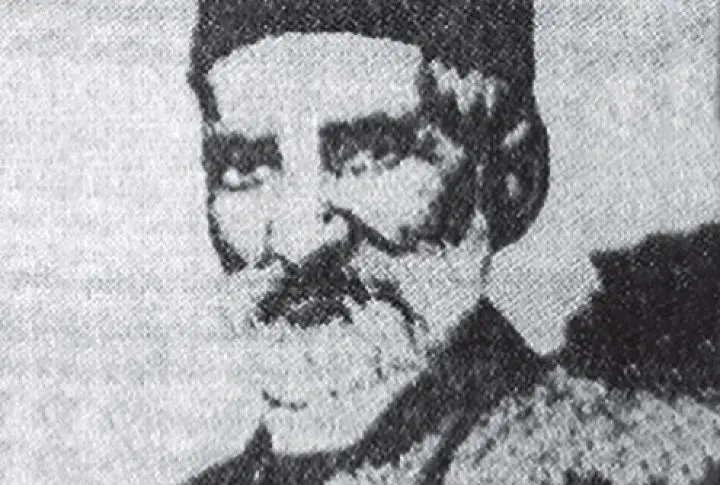
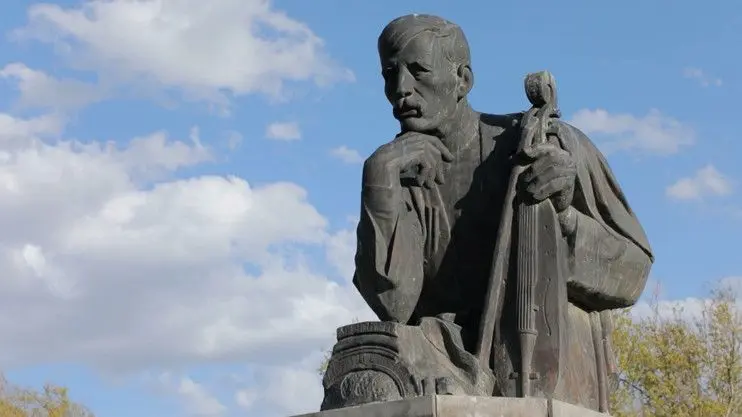
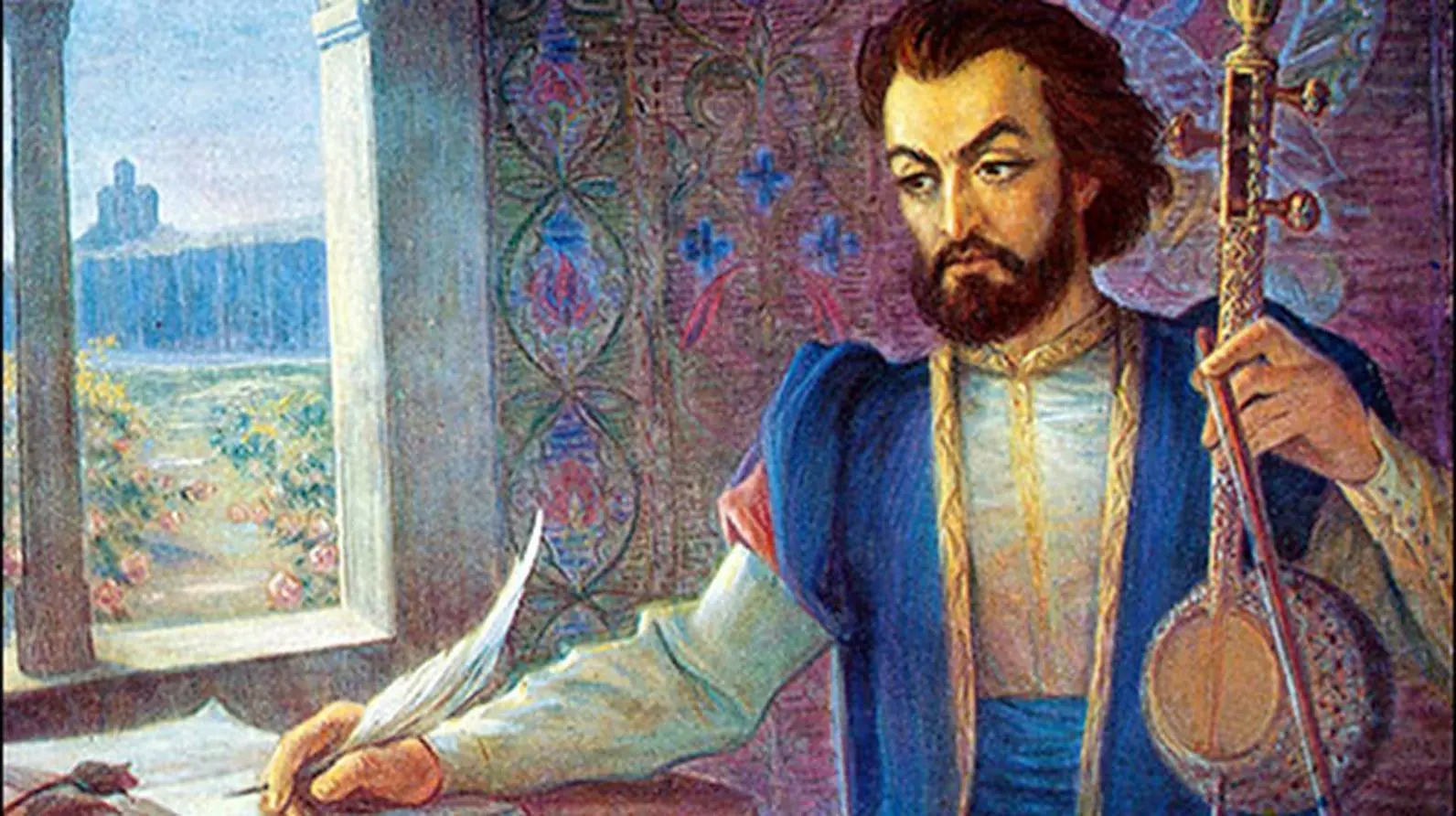
Sayat-Nova (Harutyun Sayatyan) was a renowned Armenian ashugh, poet, singer and musician whose work represents one of the significant achievements of 18th-century Armenian culture. He wrote in Armenian, Georgian and Turkish, combining different cultural traditions in his artistic work.
The exact year of Sayat-Nova’s birth is unknown. Different sources give 1712, 1717 and 1722 as possible dates. According to the most widely accepted view, he was born in Tiflis. He spent his childhood and youth in the city’s multicultural environment, which later had an important influence on his creative outlook.
As a young man, Sayat-Nova worked as a craftsman, but he eventually devoted himself entirely to music and the ashugh tradition. He mastered several musical instruments and became known as a skilled singer and ashugh.
One of the defining features of Sayat-Nova’s artistic legacy is its multilingual character. His surviving songs and poems are written in Armenian, Georgian, and Turkish. Love, beauty, longing, human relationships, and reflections on life and fate are among the central themes of his work. His poetic language is distinguished by its vivid imagery and musical quality, allowing his compositions to spread widely through oral performance.
For a period, Sayat-Nova served at the Georgian royal court as a singer and musician. Information about this period of his life remains limited, and some details of his biography have also been preserved through later traditions and accounts.
In the later period of his life, Sayat-Nova withdrew from secular life and devoted himself to religious service. He was ordained a priest under the name Father Stepanos and served at Haghpat Monastery. During this period, he continued his literary activities and worked with manuscripts.
In 1795, during Agha Mohammad Khan Qajar’s invasion of Tiflis, Sayat-Nova was killed. He was buried in the courtyard of the St. George Armenian Church in Tiflis.
Sayat-Nova’s artistic legacy has survived and continued to influence Armenian literature and music. Musicians and singers still perform his songs, and his works have been translated into numerous languages.
Sayat-Nova is regarded as one of the most prominent representatives of Armenian ashugh art and a major figure whose legacy continues to bring together poetry, music, and the region's multicultural heritage.