Hampartsoum Limondjian
Musicologist
Biography
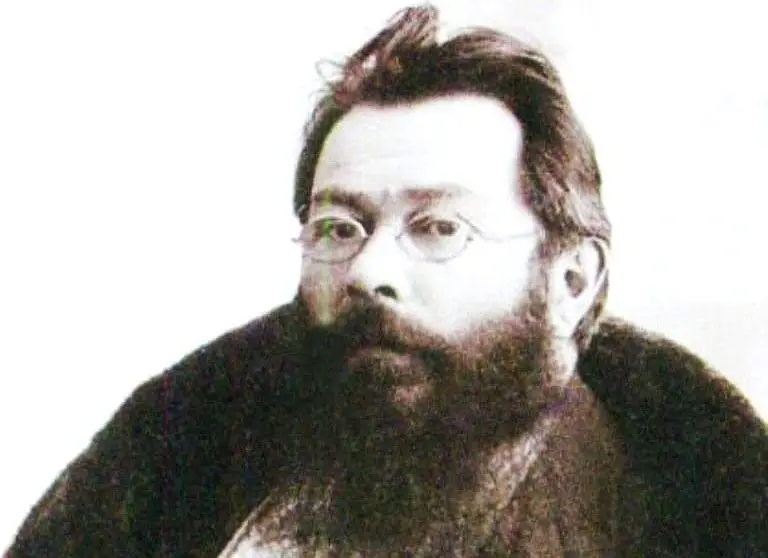
Kristapor (Khachatur) Kara-Murza was born in 1853 in Karasubazar, Crimea, now known as Belogorsk. He developed an interest in music at an early age. At eight, he began playing the piano and flute and studied with local musicians. As a young man, he organized amateur musical and theatrical groups in his hometown, gradually becoming involved in cultural and public life.
In 1882, Kara-Murza moved to Tiflis, which was then one of the major centers of Armenian cultural life. There, he dedicated himself to developing and promoting Armenian polyphonic singing. In 1885, he presented a concert of Armenian polyphonic songs in Tiflis with a four-part male choir he had organized. This event marked an important milestone in the history of Armenian choral music, opening new possibilities for performing national songs.
Kara-Murza’s activities extended beyond Tiflis. He traveled throughout the Caucasus and to Armenian-populated towns and settlements in southern Russia, establishing choirs, training conductors, and teaching singing. Thanks to his efforts, choirs were formed in numerous communities, many of which continued to operate even after his departure. Kara-Murza paid particular attention to the education of young musicians and supported their professional development.
An important part of his creative legacy is his collection and arrangement of Armenian folk and ashugh songs for polyphonic performance. He transformed monophonic melodies into two-, three-, and four-part choral arrangements while preserving their national character and musical individuality. Among the songs he arranged are Lepho, Le, Le, Zim Vzi, Alagyaz, I Would Die for You, and Go and See.
Kara-Murza was also active as a teacher and music scholar. In 1892–1893, he taught at the Gevorgian Seminary in Etchmiadzin. He also worked as a music critic, contributing articles on music to the newspaper Mshak. His writings reflected his ideas about the development of national music, education, and cultural advancement.
A special place in Kara-Murza’s creative legacy belongs to his opera Shushan, based on the tragedy of the same name by the novelist At(r)pet. It was one of the notable early contributions to Armenian opera.